Wolf Tracker
You're out in actual wilderness following wolves on foot, reading sign, and collecting data that influences how millions of acres get managed. Not many jobs let you disappear into the wild for weeks at a time and call it work. This is ecology and detective work combined.
Wolf tracking means spending 60 to 80 percent of your time in the field, often alone or with one partner, covering 10 to 20 miles a day on foot through terrain that doesn't care about your schedule. You're working for universities, state wildlife agencies, or conservation nonprofits in places like the Northern Rockies, Pacific Northwest, or Upper Midwest, where wolf populations are actively managed or studied. The work is seasonal and intense, with summers and falls focused on collar deployments and pack monitoring, and winters spent in the office analyzing data and writing reports. You're reading tracks, collecting scat samples, setting remote cameras, and documenting pack behavior. The pace is slow and deliberate in the field but structured around research deadlines and funding cycles.
Your days start early and involve hiking into terrain to locate collared wolves using GPS and radio telemetry. You're reading sign constantly: tracks, kills, beds, scat. You document pack composition, movement patterns, and interactions with livestock or other predators. When you find fresh sign, you stop and record everything, take photos, and collect samples if the protocol calls for it. You set and maintain remote trail cameras in strategic locations, hike back weeks later to retrieve data cards, and note any changes in pack movement or behavior. During collar deployment season, you work with the capture team to handle wolves and fit GPS collars, which means early mornings, helicopter work sometimes, and high stress. Back at camp or in the office, you're entering data, writing up field notes, and preparing reports for your agency or research team. The work is methodical and repetitive, but the stakes feel real because your data informs actual policy decisions about how wolves coexist with ranchers and hunters.
You need genuine comfort in wilderness, not the kind you develop over a summer but the kind that feels normal after weeks alone in the backcountry. People who succeed here are meticulous about small details, patient with repetitive field work, and genuinely interested in the science driving the project, not just the adventure. You also need to be OK with isolation and seasonal unemployment, and comfortable taking direction from biologists and agency officials who may not share your vision for the work.
Your entry point is field experience, not a degree. Start by volunteering with a wildlife research project or conservation organization while you build a track record. Look for entry positions as a field technician with state wildlife agencies, the U.S. Fish and Wildlife Service, or groups like Defenders of Wildlife or the Northern Rockies Conservation Cooperative. Plenty of agencies and nonprofits hire field techs with strong backcountry skills and no degree, especially for tracking, camera trap, and data collection roles. A bachelor's degree in wildlife biology or ecology becomes more relevant if you want to move from field technician into a permanent research or crew-lead role, some of those positions do prefer one, but it is not what gets you your first season in the field. These roles often lead to crew leader or permanent monitoring positions if you show competence in the backcountry. Get comfortable with navigation and wilderness survival before you apply. Take a wilderness first aid course and get certified. Learn to use GPS, GIS software, and basic data collection tools. Many positions are 6 to 12 month contracts initially, so be ready for seasonal work. The path typically takes 2 to 3 years of field technician work before you move into a dedicated wolf monitoring role. Networking matters here. Get to know people at state wildlife offices and universities doing predator research. Most jobs get filled through contacts and referrals, not job boards.
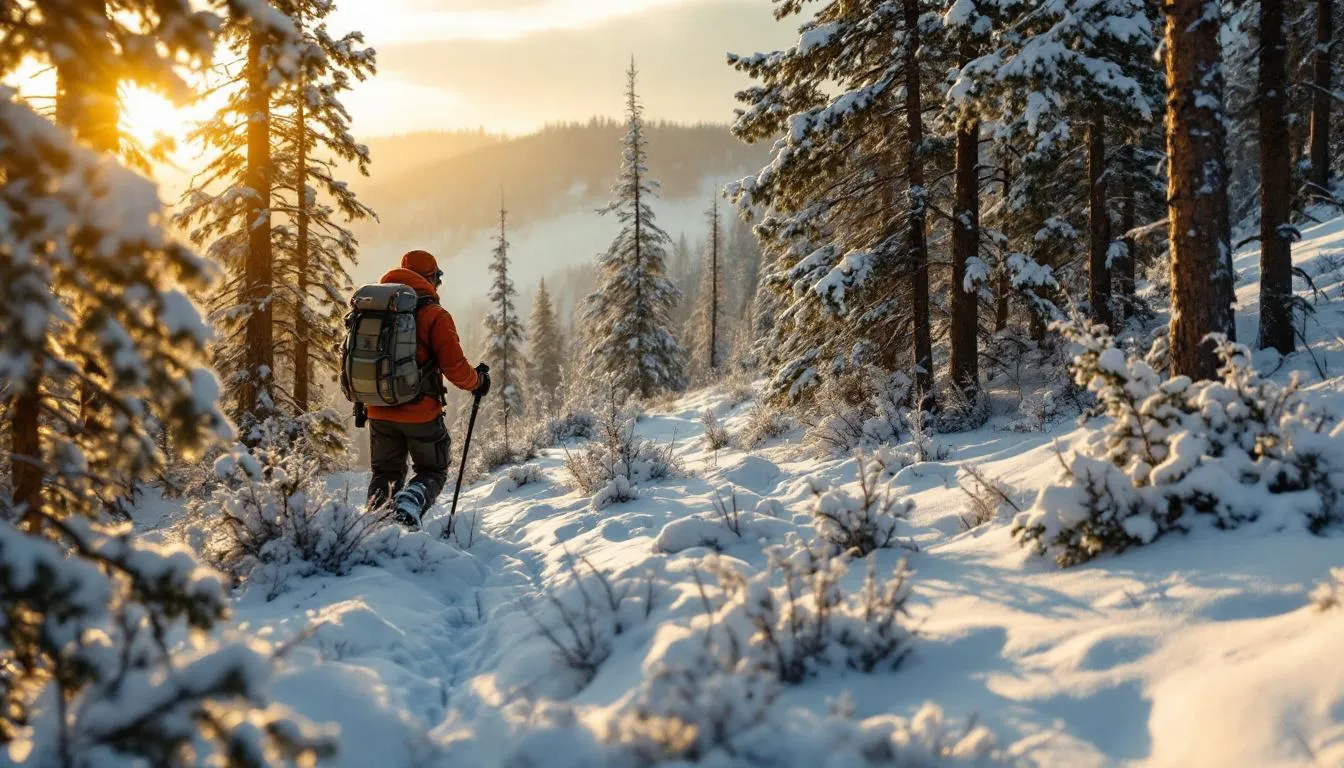
The funding for wolf research is volatile and political. A change in administration or a controversial wolf kill by ranchers can tank your program's budget mid-season and leave you unemployed. Contract positions mean you're hunting for your next job every year, which creates stress and forces you to move constantly or maintain a home base you rarely visit. The physical toll is real: you're hiking 15 to 20 miles a day, often at elevation, in weather that doesn't break, carrying heavy packs and expensive gear. Your knees and ankles take a beating. Remote areas mean helicopter or small plane access only, which is expensive, weather-dependent, and sometimes dangerous. In bad weather, you're stuck at camp for days with limited communication and resupply. Winter work in northern regions involves snowshoeing and sub-zero temperatures. The emotional weight of seeing collared wolves killed by hunters, hit by cars, or dying of disease is real and accumulates. And controversial: wolf work puts you at odds with ranching communities and hunters in rural areas. You might face hostility if you stop for gas in the wrong town.