Avalanche Forecaster
You spend half your week in the backcountry digging into snowpack, measuring crystal structure, and running explosive tests on slopes. The other half you're analyzing data and issuing forecasts that determine whether ski resorts open, backcountry areas close, or search and rescue teams move. You are literally the person who says whether people live or die on a mountain today.
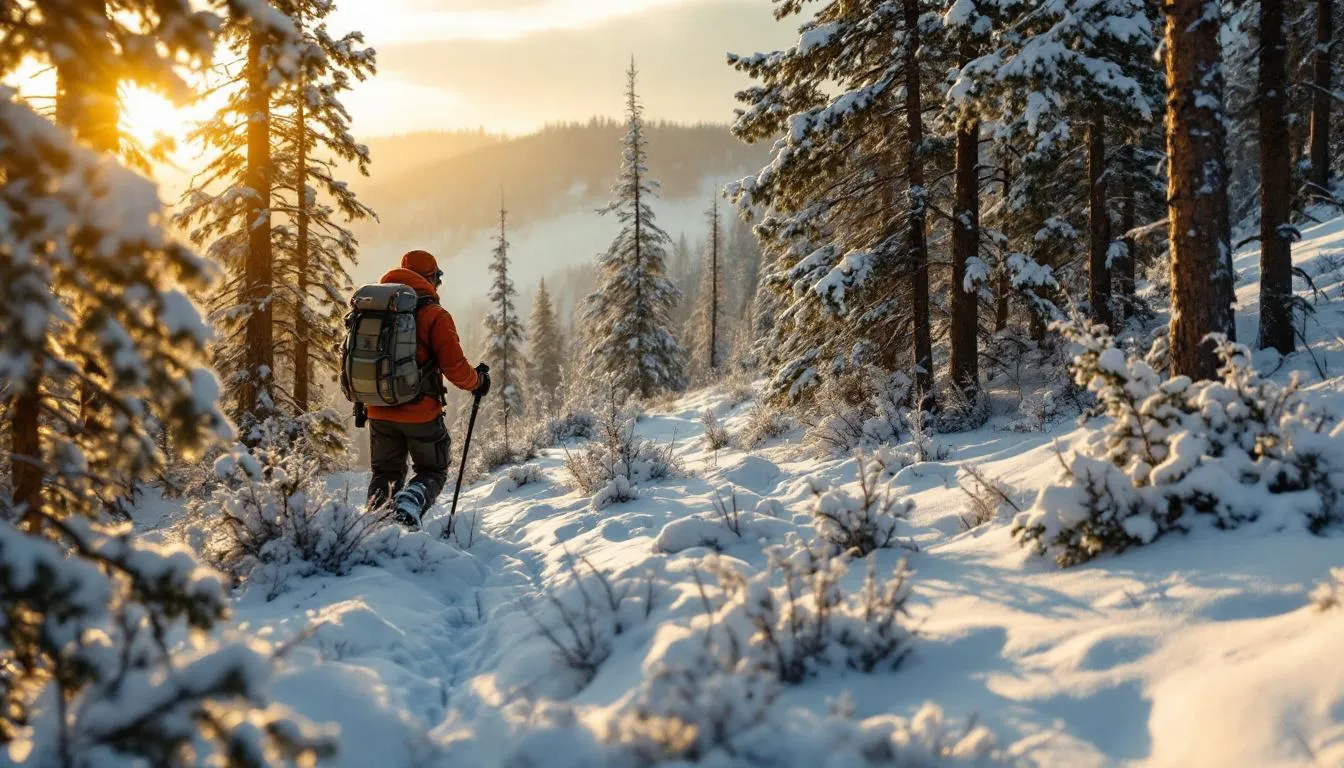
Avalanche forecasting is split between fieldwork and office work, and both matter equally. Three to four days a week you are in the mountains in whatever weather exists, digging snow pits, testing slope stability, recording observations. You work alone or in small teams, often in cold that goes past uncomfortable into dangerous. The other days you analyze data, build forecasts, write advisories, and coordinate with ski patrol, resort management, and sometimes emergency services. The pace shifts constantly. A stable snowpack day is methodical and scientific. A storm cycle or warming event means long hours, high stakes, and constant communication with people making decisions based on your work.
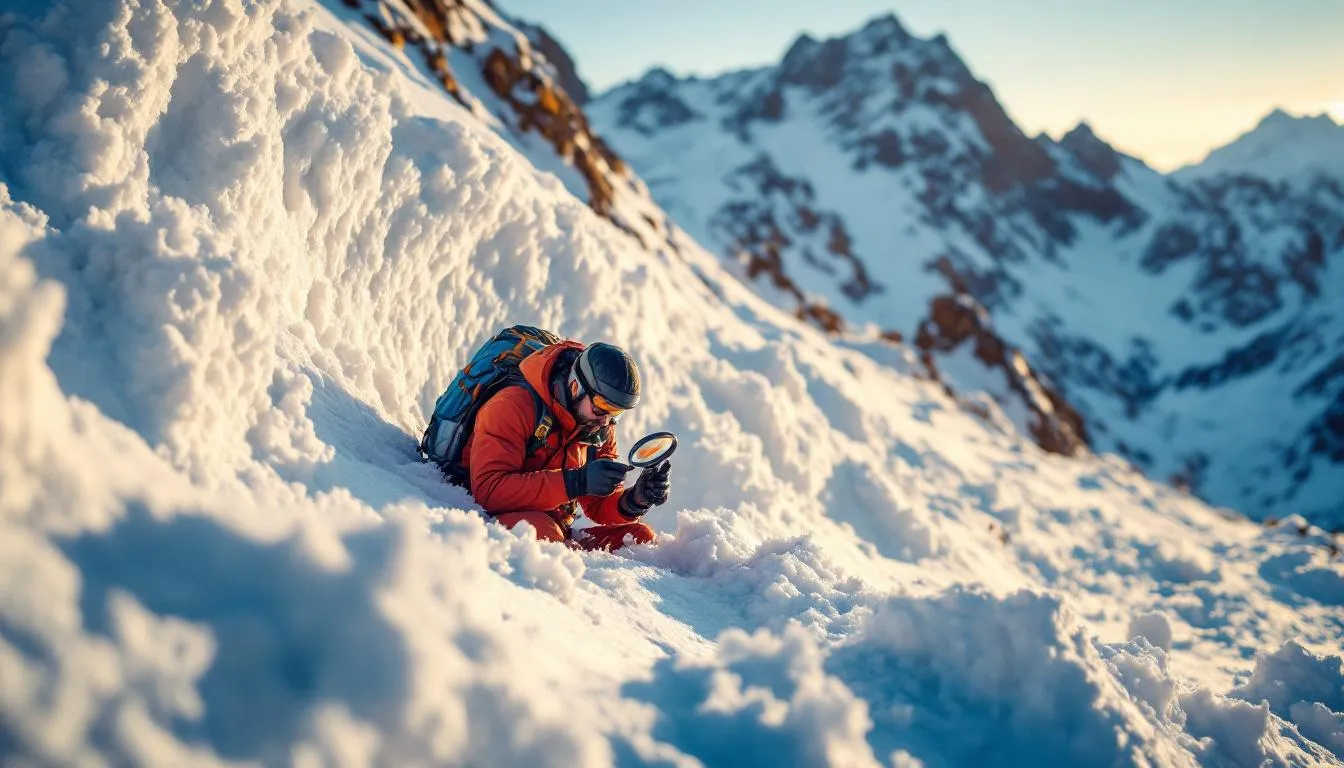
In the field, you hike or snowmobile to specific slope aspects and elevations, dig snow pits that can be 5 to 10 feet deep, and observe crystal structure, bonding, and weak layers. You use shear tests, compression tests, and extended column tests to assess stability. You take measurements of wind slab thickness, depth hoar, and temperature gradients. You record everything: weather, snow temperature, aspect, elevation, observations from ski patrol, accident reports from the past 24 hours. Back at the office or station, you compile data from your field observations, weather models, snowpack history, and remote sensor data. You build forecast models that predict where and when slopes will fail under what conditions. You write public forecasts and risk assessments in language that skiers, backcountry users, and emergency managers understand. You take calls from ski patrol asking whether slopes are safe to ski or need explosives. You coordinate with National Weather Service, USGS, and other forecasters in your region. During major events, you brief emergency management, work directly with search and rescue operations, and sometimes testify about avalanche conditions in legal cases.
You need scientific rigor matched with decisiveness. Forecasters spend hours analyzing data but must communicate clear recommendations when the stakes are life-or-death. You have to be comfortable with uncertainty while still making the call. You also need genuine interest in mountains and snow, not just the paycheck. You work in isolation frequently. The personality that thrives here is detail-oriented, skeptical of assumptions, and able to stay focused through repetitive fieldwork and data analysis. Ego is a liability. This work humbles you regularly, and the best forecasters learn from mistakes and share knowledge openly.
The real path in is ski patrol, not a science degree. Start as a ski patroller, which requires Outdoor Emergency Care (OEC) certification and basic avalanche training (AIARE Level 1), not a college degree. Patrol for a season or two, then move into avalanche-specific certifications: AIARE Pro 1 trains and certifies people new to the avalanche industry, patrollers, guides, forecasters in training, and AIARE Pro 2 is for people running operations or leading a team. Each level is a multi-day course plus field time, not a classroom degree program. From ski patrol, the progression is patroller to snow safety technician to forecaster, usually three to six years depending on the operation and how much fieldwork you log. Larger programs and government roles, like some positions with state avalanche centers or the US Forest Service, sometimes prefer a degree in a physical science for the lead forecaster title specifically, but the vast majority of working avalanche professionals, resort snow safety techs, guides, and most patrol-level forecasters, build their careers entirely through field certifications and years in the terrain. Volunteer ski patrol is a real entry point if paid positions are competitive in your area. Geographic flexibility helps. Most people start in a region that interests them, then move between operations as opportunities open.
The physical toll accumulates faster than you expect. Digging snow pits in subzero wind with heavy equipment breaks your body down. Your shoulders and lower back take hits year after year. Frostbite, snow blindness, and hypothermia are not theoretical risks. Several forecasters have been buried or killed by the avalanches they were studying. The job carries genuine danger that no amount of experience fully eliminates. The other hidden cost is the weight of responsibility. You issue a forecast and people decide whether to ski or not, whether to close a road or not, whether rescue efforts are safe or not. If someone dies on a slope you called safe, you will question that forecast forever. Even when you were correct and conditions shifted, the mental load of knowing your words influenced decisions with fatal consequences is real and persistent. Many forecasters experience seasonal depression or burnout after years in the role. The work is intellectually rewarding but emotionally demanding in ways that are hard to explain to people outside the field.