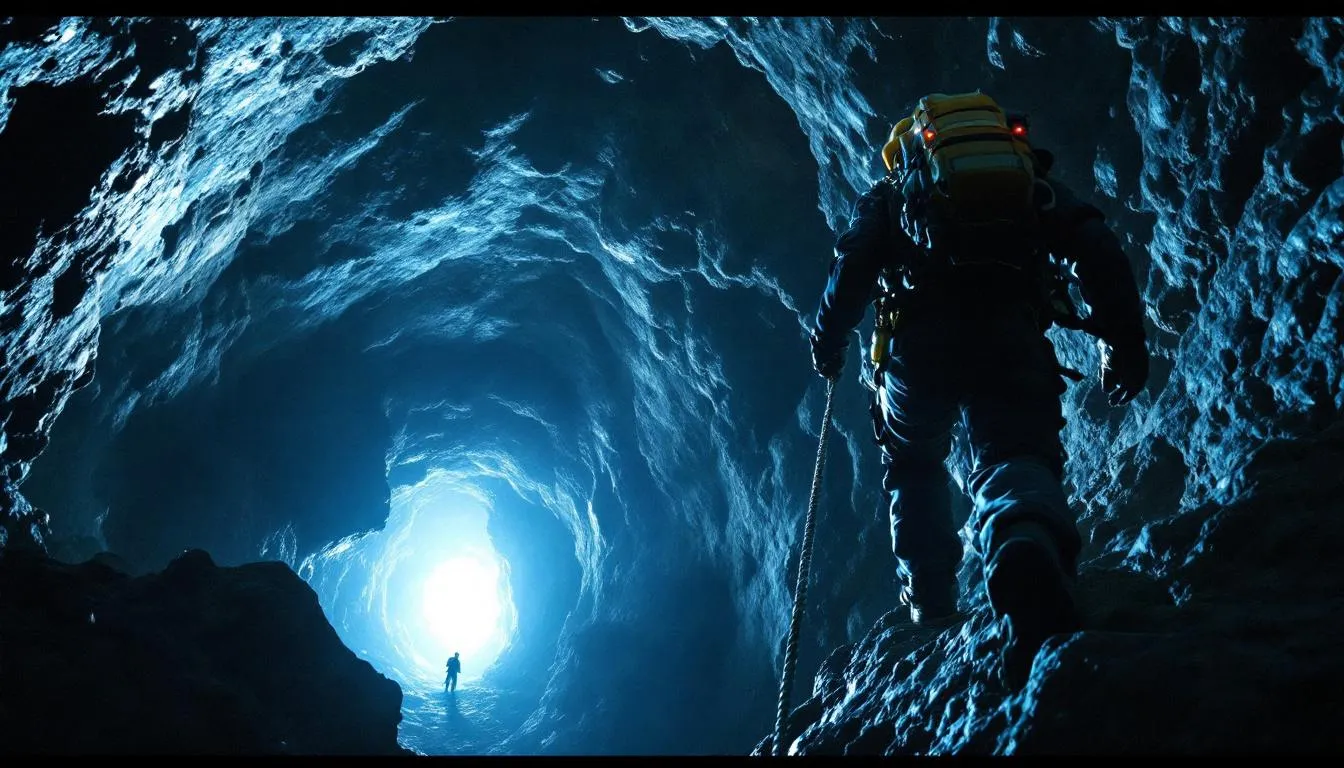
Cave Explorer (Commercial Survey)
You descend into darkness with expensive gear and a team that depends on you. Your job is to map unexplored cave systems, find new passages, and document what's down there. This is real exploration, not tourism. You're doing work that scientists, conservationists, and tour companies need done.
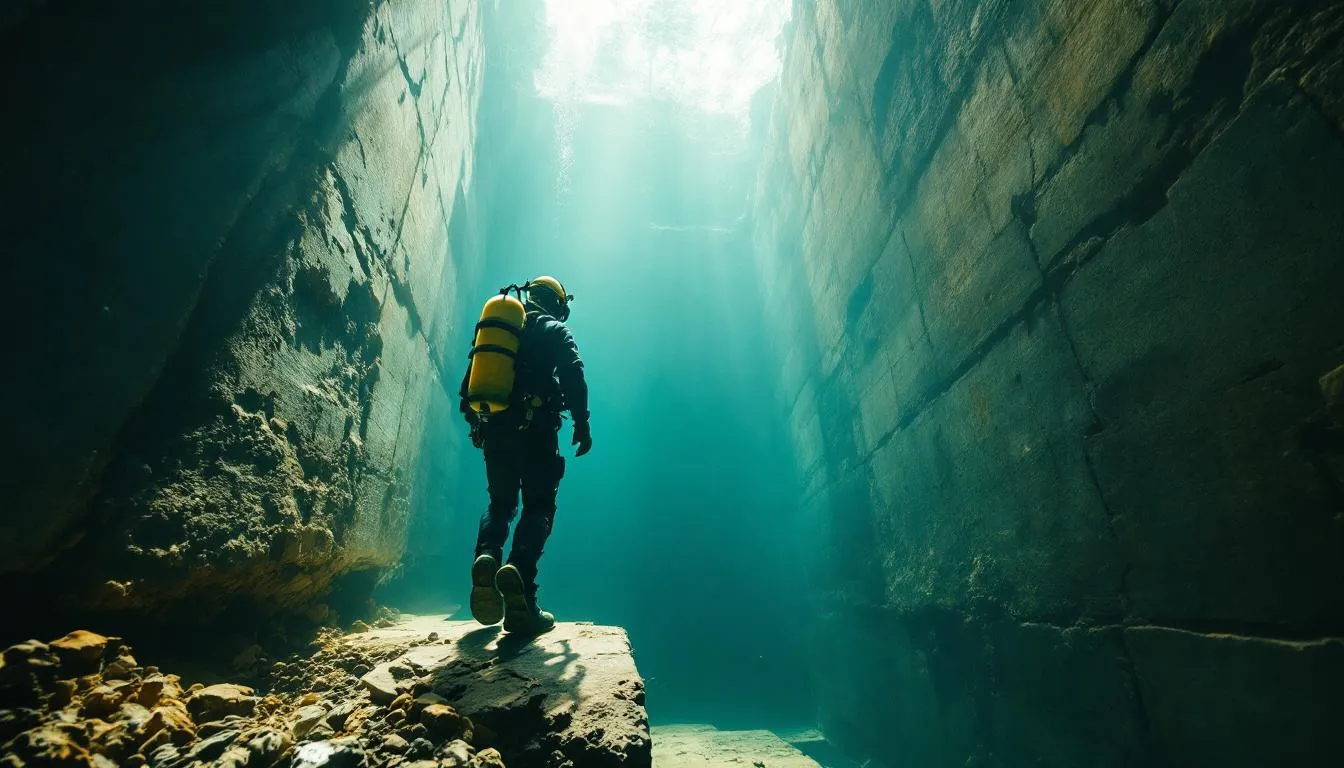
Cave survey work happens in extreme conditions. You're working in tight, wet, cold spaces sometimes thousands of feet underground. The job requires you to move through passages, set safety anchors, take precise measurements, and document everything while managing your own safety and your team's. Work can stretch 10-14 hours underground and involves multiple trips to the same site over weeks or months. You're not exploring for fun. You're there to collect data: passage dimensions, geology, hydrology, wildlife presence. The work demands focus and discipline because mistakes down there are not small. Teams are small and specialized. You work with surveyors, rescue-trained cavers, possibly biologists or geologists depending on the project. Communication happens via hand signals and rope systems in spaces where radios don't work. The pace is methodical and careful, not rushed. You move only as fast as your slowest person and your equipment allows.
Your typical day starts hours before you enter a cave. You organize gear, check equipment redundantly, verify rope anchors, and review the survey map from the previous descent. You brief your team on the day's objectives and contingencies. Once underground, you navigate to your work site, which might be an hour's travel through active water, over breakdown, or through tight crawls. At the survey location, you set up anchor points, measure passage dimensions, take photographs, and record water flow, temperature, and rock type. You use surveying instruments like compass, clinometer, and measuring tape in conditions where precision matters despite cold hands and headlamp batteries draining faster than expected. You document wildlife you encounter, note geological features, identify hazard zones, and flag anything unusual for the team lead. Between measurement points you might rappel 200 feet, wade through waist-deep pools, or crawl through passages so tight you move on your belly. You're constantly assessing water levels, air flow, and team condition. Your last job before exiting is photographing the work site and double-checking measurements. Then you navigate back out, which takes as long going backward as it did going in.
You need genuine comfort in confined spaces and low-light environments. This isn't a phobia you overcome once. It's something you have to actively want to be around. You also need obsessive attention to detail and patience with repetitive, precise measurement work in conditions where shortcuts sound tempting. Successful cave surveyors are self-reliant but not solo operators. You follow instructions exactly and voice concerns immediately if something feels wrong. Bonus: you're comfortable being uncomfortable for extended periods and don't need constant communication or external validation.
Start with caving. Join a local grotto (the National Speleological Society operates 260+ of them across the US) and spend at least a year doing recreational caving. You need real experience moving through vertical and horizontal systems, managing fear and claustrophobia, and developing judgment about risk. Once you're solid in recreational caving, get certified as a rescue diver through organizations like NSS-CDS (Cave Diving Section) or NACD. This involves 100+ hours of training in underwater navigation, equipment redundancy, and emergency procedures. You'll also want wilderness first responder or cave rescue certifications. After that, start working with professional cave survey companies or organizations like the Cave Conservancy. Expect to volunteer or assist on projects for 6-12 months while proving you can follow direction, stay safe, and handle the mental demands. Pay starts once you're trusted on paid survey contracts, usually $50-80/day as an assistant. Full project surveys that take months pay $400-800/week depending on location and complexity.
Cave survey work carries genuine risk of death. Drowning, getting stuck, disorientation, hypothermia, and equipment failure all happen. You train extensively to prevent these, but they remain real. The cold is brutal. Most caves stay 40-50 degrees Fahrenheit year-round. After 6-8 hours underground you're fighting hypothermia despite exposure protection. Your fingers stop working. Your judgment degrades. Recovery time is longer than the expedition itself. Work is inconsistent. You might have three projects booked for summer, then nothing for four months. You're building a career around project work, which means gaps in income and spending time between expeditions pitching yourself to research teams and production companies. Equipment costs come out of your pocket initially: quality cave gear, dive computers, lights, ropes, and harnesses run $5,000-10,000 to start and need regular replacement. The community is small and insular. Getting access to good projects often depends on knowing the right people or being referred by someone established. Finally, the work appeals to a specific type of person, and burnout happens when the reality of squeezing through muddy passages for science pay doesn't match the fantasy of exploration.