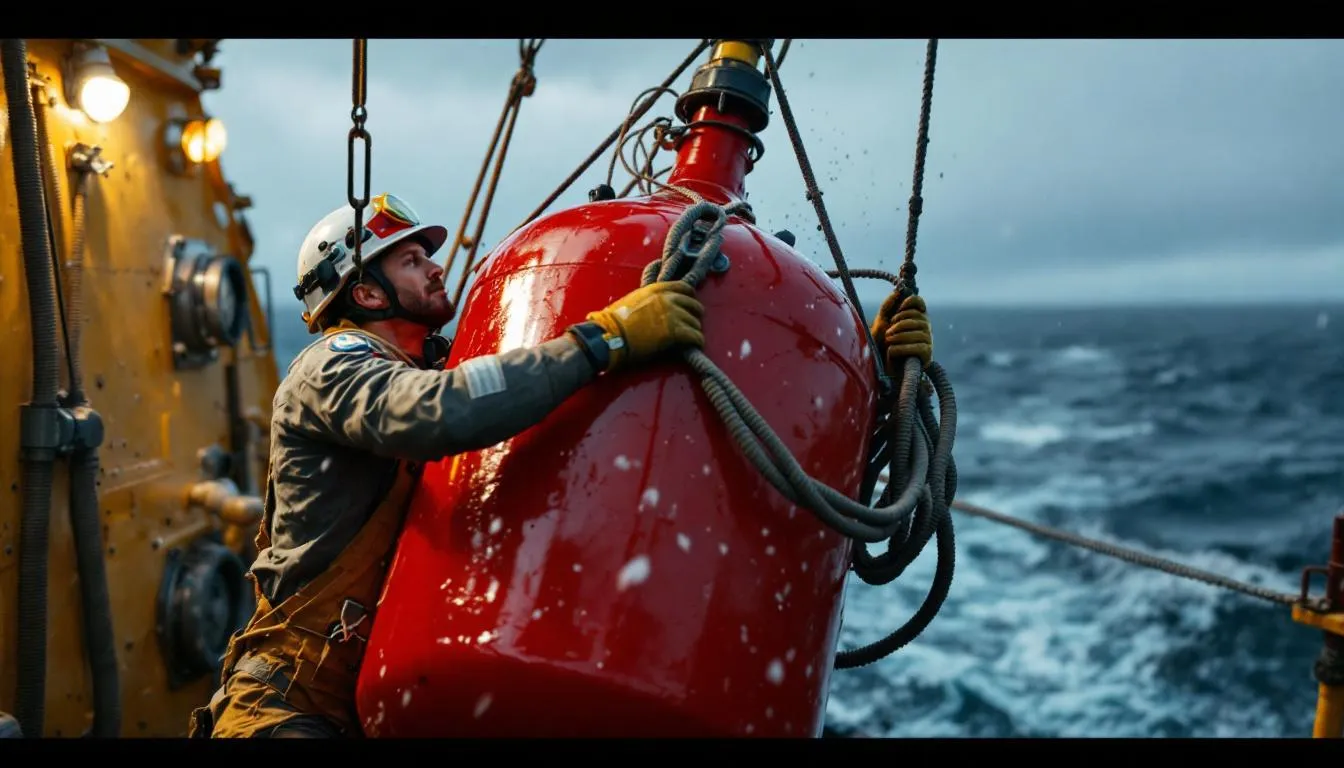
Tall Ship Crew
You work on actual tall ships, not simulations. The sails are real canvas. The rigging is complex. You'll handle lines thick as your arm, climb into the crow's nest 100 feet up, and learn skills that haven't changed much since the 1800s. It's hard physical work on the open ocean with a crew that depends on you to stay alive.
You're part of a small crew on a working sailing vessel, often berthed at historic ports or doing multi-day voyages. The work is seasonal in most US locations, though some ships operate year-round in warmer waters. Your days start early and revolve around the ship's needs: sail handling, maintenance, navigation support, and passenger education if it's a working museum ship. You work with 10 to 30 people in close quarters. The pace shifts between intense (bad weather, maneuvering in tight spaces) and methodical (coiling lines, checking rigging, routine repairs). You're exposed to sun, salt water, and weather. Most ships are not comfortable, and neither is the food.
Your routine work includes climbing rigging to raise or lower sails, hauling on lines to trim sails and maneuver the ship, coiling and stowing hundreds of feet of rope, swabbing decks, and maintaining standing rigging and running lines. When the ship is under sail, you monitor rope tensions, watch for fraying or damage, and respond instantly to crew calls. In port you might do repairs: splicing rope, painting, varnishing, caulking, or replacing canvas. If passengers are aboard, you might explain the ship's history or demonstrate traditional seamanship. You'll learn to read the wind and sea conditions, understand the physics of how the sails catch wind, and work in coordination with 9 other sailors who all depend on you pulling your weight at the right moment. On longer voyages you stand watch, navigate by stars if trained, cook, and manage seasickness in yourself and others.
People who like physical challenge and aren't bothered by small spaces, salt, and constant dampness. You need to be reliable and calm under pressure, because mistakes at sea have immediate consequences. The best tall ship crew members are genuinely curious about how things work and willing to learn by doing. You also need to be okay with isolation and limited privacy. Egos don't last long on a small ship.
Most tall ship programs hire directly for crew positions with no prior experience required. Start by applying to established organizations like the American Sail Training Association member ships (USTA lists over 100 vessels worldwide). Ships like the Mystic Seaport's Joseph Conrad, the Hermione, and regional operators actively recruit entry-level crew. Some programs run apprenticeships that combine work with structured training, typically lasting 6 weeks to 6 months. A few maritime organizations offer formal tall ship sailing certifications, but the fastest path is to apply directly as a deckhand, learn on the job, and advance to bosun or mate roles after a season or two. Physical fitness matters more than credentials. Many crew members start with no sailing experience. Sea time accumulates fast, and within a year you can transition to better-paying commercial sailing work or captain larger vessels if you pursue formal maritime licenses. The Maritime Administration can point you to Coast Guard-approved apprenticeships that pay while you train.
The pay sucks for most of the year. Unless you find winter work on a Caribbean charter ship or commit to commercial sailing, you're looking at 5-7 months of income spread across 12 months. That's tight if you have bills or dependents. The physical toll is real too. Rope burns, salt-water sores, chronic shoulder and back strain from hauling lines, and the constant weather exposure age your skin fast. Seasickness your first few weeks is nearly guaranteed, and some people never fully adjust. Many tall ship jobs are seasonal, which means crew turnover is high and there's no community continuity. The ships themselves are beautiful but uncomfortable: cold, damp bunks, minimal heating, sketchy plumbing, and galley food that's functional, not good. If you have a partner or family, this life requires them to accept that you're gone for weeks or months at a time.