Buoy Tender Crew
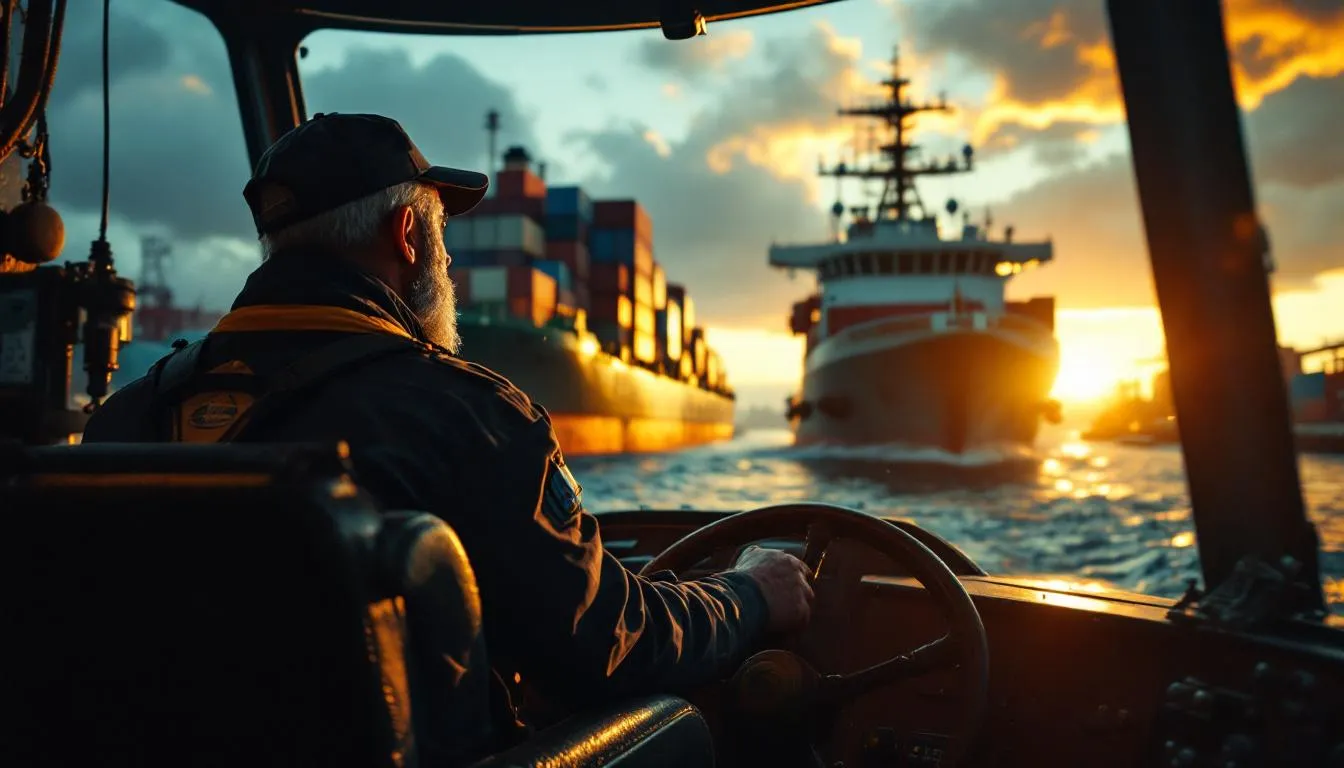
You're out on a vessel in open water pulling buoys, replacing equipment, and keeping shipping channels marked so cargo ships don't run aground. The work is hard, the sea is unpredictable, and you're doing something that actually matters to maritime safety. Most days you're soaking wet and covered in rust and algae.
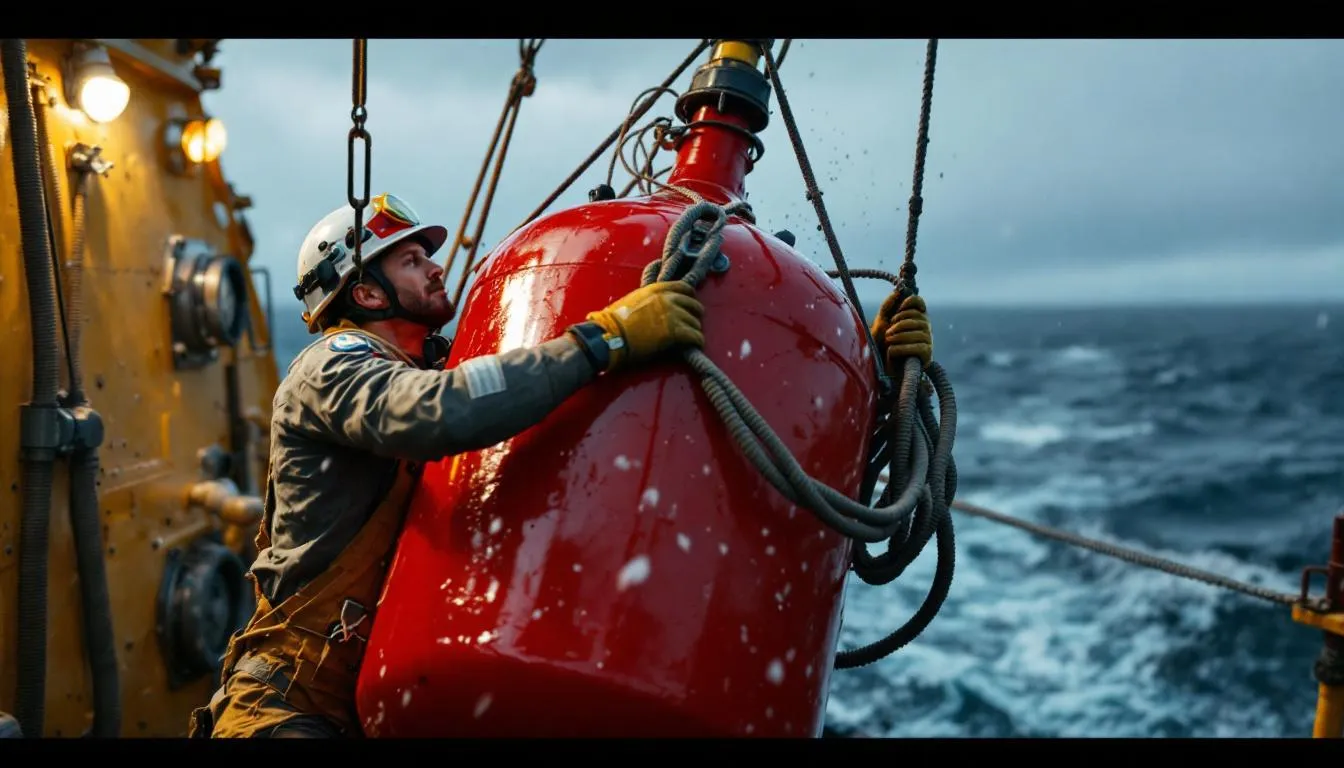
You work for the U.S. Coast Guard on a buoy tender, a vessel built to service navigational markers and buoys scattered across rivers, bays, and coastal waters. The job is pure deck work: you're outside in all conditions, hauling buoys aboard, cleaning and repainting them, replacing equipment, checking moorings, and setting them back in the water. The work happens on a moving boat in whatever weather comes, so you're dealing with salt spray, rough water, extreme heat or cold, and the constant motion of a vessel. Your crew is small and tight. You work alongside the same people day after day, and there's no hiding if someone isn't pulling their weight. Shifts are typically 8-10 hours on the water, and you rotate through different buoy fields depending on season and maintenance schedules. The pace is steady and demanding but not chaotic. There's a rhythm to it. What changes is the weather. On calm days, the work is hard but manageable. On rough days, every task becomes exponentially harder and more dangerous.
You start your shift by preparing the vessel and checking safety equipment. Once you're on station, you're identifying buoys that need maintenance and maneuvering them aboard using davits and cranes. You secure them to the deck, then inspect the buoy itself for damage, corrosion, cracks, or light failures. You clean off years of algae, barnacles, and rust using scrapers, wire brushes, and pressure washers. You sand, prime, and repaint buoys in Coast Guard colors and specifications. You replace corroded hardware, faulty lights, radar reflectors, and sound signal equipment. You test electronics to make sure everything works before the buoy goes back in the water. While buoys are aboard, you're also checking and maintaining mooring tackle, chains, sinkers, and anchors. Chains corrode in seawater, sinkers get buried in mud and have to be dredged up, and anchors need inspection and repair. You're constantly moving between tasks, working with your hands in saltwater and industrial-strength cleaner. You help launch buoys back over the side once they're serviced, sometimes in rough water where timing and coordination are critical. Between buoy work, you're doing general vessel maintenance, swabbing decks, checking hull condition, helping with refueling, and ensuring the boat stays operational.
You need to be comfortable working outside in rough conditions and not getting discouraged by cold, wind, and salt spray. People who do well here are mechanically minded and don't panic when equipment breaks. You should be willing to take direction and work as part of a small team where mistakes affect everyone's safety. Physical toughness helps, but more important is mental toughness: the ability to work hard for 8-10 hours on a moving boat without complaining. Guys who thrive here tend to respect structure and respect the ocean.
This is enlisted military work, not a civilian federal job. Buoy tender deck crews are active-duty U.S. Coast Guard sailors, not GS-scale civilians hired through USAJOBS. You enlist through a Coast Guard recruiter, need a high school diploma or GED, a passing ASVAB score, and the ability to meet physical and medical standards. From there it is eight weeks of boot camp at Cape May, New Jersey. After boot camp, most buoy tender crew start as a Seaman, then work toward the Boatswain's Mate (BM) rating, the Coast Guard's deck and seamanship specialty, through on-the-job qualification and Class A school. You do not choose your first cutter assignment freely, the Coast Guard assigns you based on fleet needs, but aids-to-navigation and buoy tender duty is a common early assignment. Most people are useful crew within a few weeks aboard and reasonably competent within 6 to 12 months. There is no way to test-drive this one the way you can with a seasonal civilian job, enlistment is a multi-year commitment (typically four years active duty), so go in knowing that.
The job is genuinely dangerous. You're working on a moving vessel with heavy equipment, chains under tension, and machinery that can crush you. Man overboard is a real risk. You're in saltwater environments where hypothermia is a threat if you end up in the water. The Coast Guard takes safety seriously and has protocols, but accidents still happen. People have died doing this work. Beyond danger, the schedule is unpredictable. You might have a set shift pattern, but bad weather can extend your day or force you to stay aboard longer than planned. You can be away from home for weeks during seasonal maintenance pushes. The work is repetitive and physically demanding, so your back, shoulders, and knees take a beating over time. Corrosion and rust work get into your skin and clothes. The pay is decent but not spectacular, and you're never going to get rich doing this. Some guys love it because they love being on the water and working with their hands. Others realize after a season that they'd rather be on solid ground.