High-Voltage Line Worker (Energized)
You're working on lines carrying 115,000 volts while they're still hot. One mistake ends you. The pay reflects that reality, and the work is pure technical skill under pressure. Most people couldn't do it. If you can, you're in a tier of tradespeople that everyone respects.
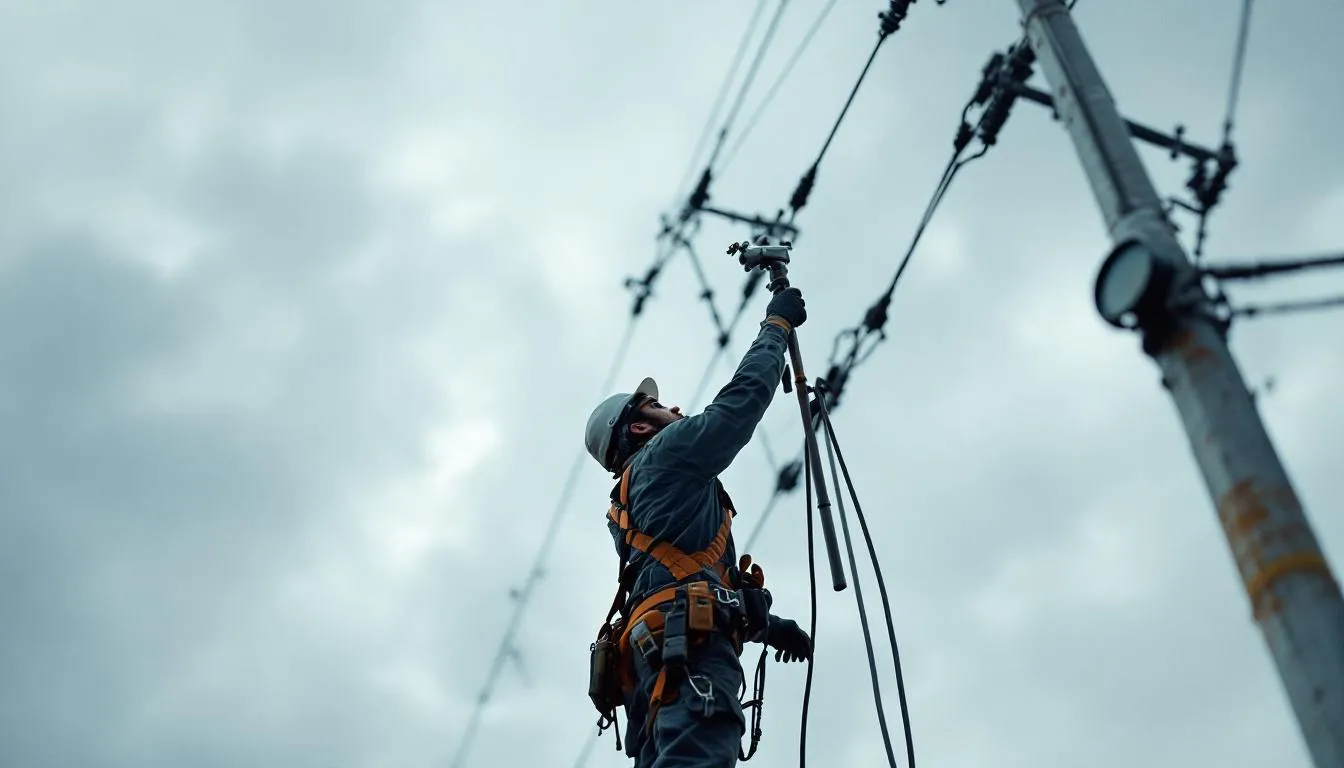
You're climbing steel towers and working on energized lines at heights over 100 feet. The work is methodical and precise because a single lapse means electrocution or a fatal fall. You spend a lot of time in a bucket truck or strapped to a pole in whatever weather shows up. Most days are on rural transmission lines or utility infrastructure. You work as part of a crew but you're often the one doing the most dangerous piece of the job. The pace is steady but controlled because speed creates mistakes. The environment is outdoors year-round. Winter means freezing fingers in insulated gloves working on icy steel. Summer means heat exhaustion in full PPE. You're constantly aware of the electricity around you because it will kill you if you're not. That awareness becomes second nature, but it never really goes away. The work is serious, and everyone on the crew knows it.
Your day starts with a safety briefing and equipment check. You inspect your PPE, test your insulated tools, and verify the lines you're working on. Then you climb. You might be replacing insulators, splicing wire, installing hardware, or performing maintenance on towers that carry massive voltage. The climbing itself is constant—sometimes you're ascending 150 feet multiple times in a shift using climbing gaffs or ascending to a bucket truck. Once you're at the work point, everything slows down. You use specialized insulated tools and test equipment to verify de-energization status, even though the line is supposedly isolated. You work methodically through the task. Maybe you're removing and installing a piece of hardware that weighs 30 pounds while you're balanced on a steel tower in the wind. Maybe you're splicing wire using heat shrink or compression tools. The work requires precision, strength, and the kind of focus where one mistake doesn't just mean redoing the work—it means you don't walk away. Downtime between sites or between jobs involves vehicle time, equipment maintenance, training, and crew coordination. You'll also spend time on mandatory safety refresher courses and studying electrical codes. Not every day is high-risk—some work is relatively routine—but you never stop thinking about the hazard.
You need genuine comfort with heights and no vertigo issues—you'll be working 100+ feet up regularly. You're the type of person who doesn't panic under pressure; you think and work methodically even in uncomfortable situations. You respect rules obsessively because in this job, rules keep you alive. You also need real physical strength (you're climbing with tools, sometimes in 40+ pounds of gear) and the discipline to stay sharp even when the work becomes routine. People who thrive here take the danger seriously but don't let it paralyze them.
Start with a high school diploma or GED and zero electrical experience required. Most electricians come up through a 4-5 year apprenticeship with an electrical union (IBEW—International Brotherhood of Electrical Workers—is the main path) or through an independent electrical contractor. You'll work as a groundhand or apprentice first, learning basic electrical theory and climbing techniques at ground level. The climbing comes later. During your apprenticeship, you combine on-the-job training (usually 40 hours per week) with classroom instruction (usually 144 hours per year). You need to pass the apprenticeship and get your journeyman electrician license, which takes 4-5 years total. After journeyman certification, you apply to a transmission and distribution crew or specialized high-voltage contractor. Some of these employers run their own additional training programs to certify you for live-line work specifically. This extra certification is your ticket to the serious money and the serious risk. Major utilities like Duke Energy, Southern Company, and regional providers hire most of these workers. Some go independent or contract out through specialized firms like Henkels & McCoy or Quanta Services. Union apprenticeships offer the clearest path—you have structure, guaranteed hours, and pension benefits. Expect to earn $25-35/hr as an apprentice and jump to $50-65/hr as a journeyman before specializing further.
This job will damage your body over time. Climbers get repetitive stress injuries in their knees, hips, and lower back from constant ascending and the impact of climbing in heavy gear. Your hands age fast—cold weather, friction, constant pressure. Tinnitus is common from years of environmental noise. You're also one mistake away from being dead. That's not hyperbole. Electrocution, falls from height, equipment failure, or a moment of lost focus can kill you instantly. You'll work with people who have been hurt or killed, and that stays with you. The schedule can be brutal. Storms mean 14-16 hour days and being on-call. Winter can mean weeks away from home doing restoration work in rural areas with a crew. You'll miss family events because a hurricane hit and you're needed in another state. The work is seasonal in some regions—you might have lean winter months. Job security is tied to the utility's capital spending and storm activity, so economic downturns can mean layoffs. Politics also plays a role: utility regulation, local politics, and budget cuts affect hiring.