Fishing Vessel Crew (Specialty — Crab/Swordfish)
Commercial fishing crews on crab and swordfish vessels pull in six-figure hauls in a single season. You're working some of the roughest water on the planet, often in darkness, in conditions that kill people. Most guys who do this job either love it or quit within a year.
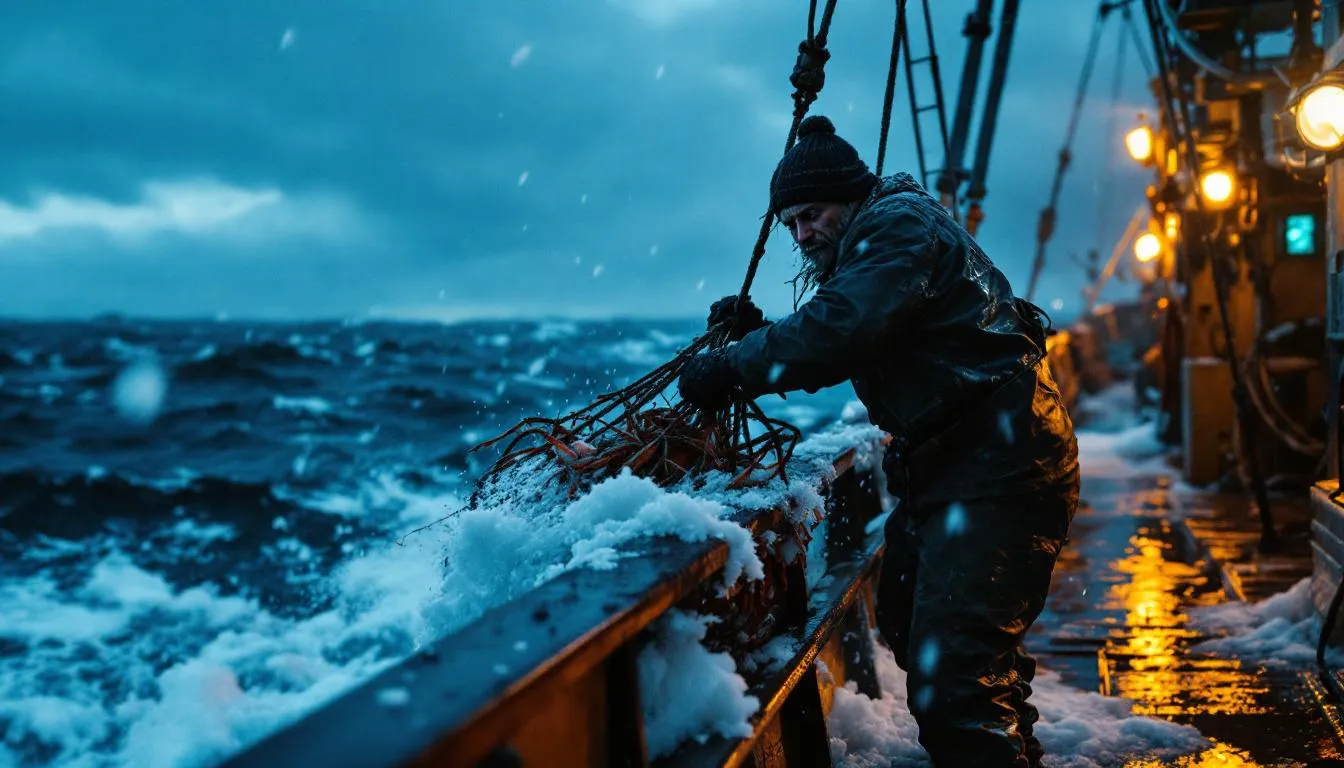
You work on a boat, usually 40 to 100+ feet long, chasing crab or swordfish in the Atlantic, Pacific, or Gulf of Mexico. Seasons vary by species and location: crab season is winter in Alaska (December to February), brutal cold and storm conditions. Swordfish is spring through fall, still rough but warmer water. A typical day starts before dawn and doesn't end until the work is done, sometimes 18 to 20 hours straight. You sleep in a bunk below deck in a space smaller than a closet. The boat rocks constantly. The smell of fish, salt, fuel, and sweat becomes your entire world. You work with 4 to 12 crew members depending on the boat size. The captain runs the operation; the deck boss directs the crew; deckhands do the heavy lifting. Everyone is exhausted and living in close quarters. The pace is relentless during season, completely idle during off-season. There is no middle ground.
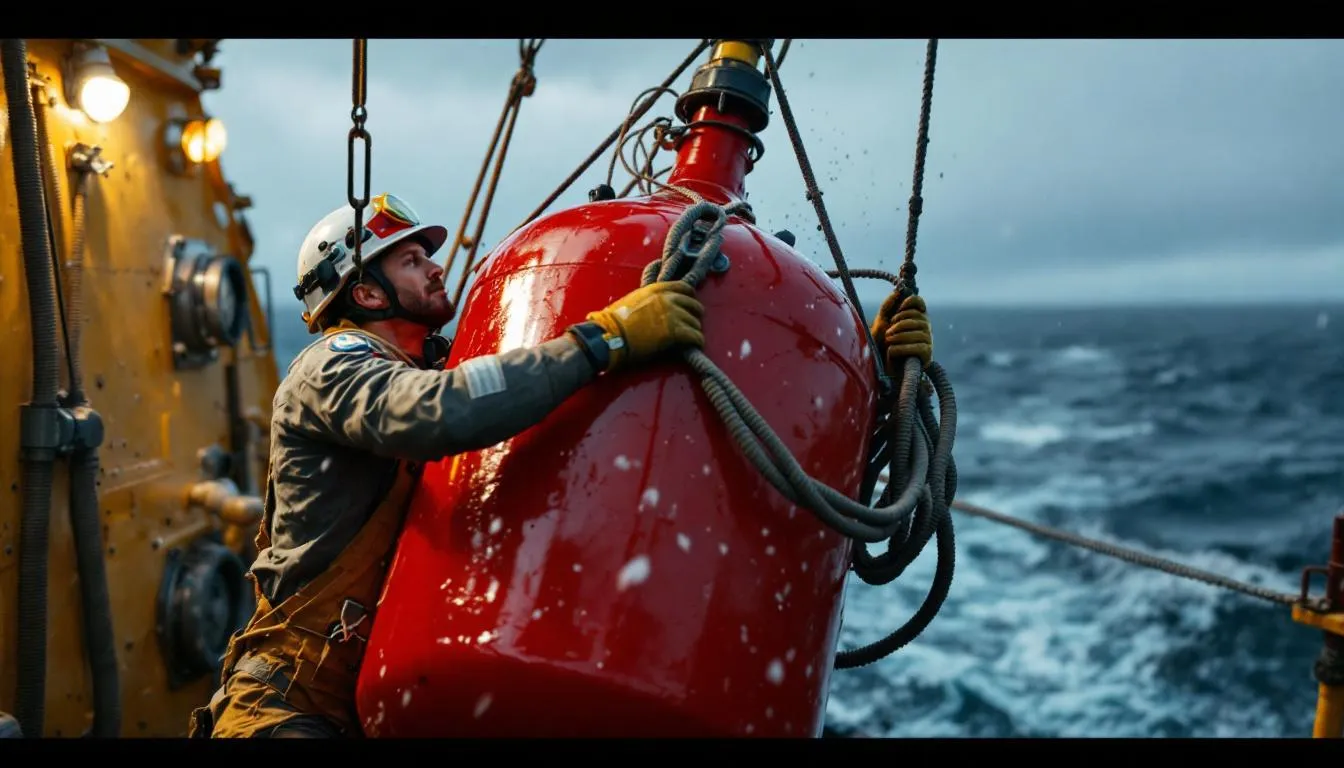
On a crab boat, you set and haul pots, which are large wire cages baited with herring or cod. Each pot weighs 600 to 800 pounds when full. You are hauling these from the ocean floor in freezing spray, often in darkness and high seas. Your hands go numb. The deck is always slick. One mistake means you go overboard. You sort the catch, measuring and banding the crabs to keep only legal ones. Everything is speed. The goal is to fill the boat's hold as fast as possible before the season closes or the weather shuts you down. On a swordfish boat, you're setting longlines or harpoons depending on the boat's style. Longlines involve baiting thousands of hooks, setting them across miles of ocean, then hauling them back in 12 to 24 hours later and fighting swordfish one at a time. It's technically harder and slower than crab. Harpoon fishing requires spotting fish from the bow, positioning the boat, and driving the harpoon into the fish by hand while the boat is moving. It's dangerous and requires real skill. In both cases, you gut, ice, and sort the catch. You maintain gear, coil rope, fix broken equipment, and keep the boat running. When you're not actively fishing, you're preparing for the next haul. Weather dictates everything. When a storm hits, you either ride it out or head for port. Either way, you're not sleeping much.
You need genuine physical toughness and mental resilience. Not the gym kind, but the kind that keeps you moving when you've been awake for 20 hours in freezing spray and your hands are bleeding. You handle constant discomfort and danger without complaining or freezing up. You work well in tight crews where ego gets checked at the boat. You respect the ocean and understand that it doesn't care about your limits. You're willing to learn fast and take direction without questioning it in the moment. Most importantly: you're not looking for a lifestyle or calling. You're in this for the money and the story, and you know when to walk away if your gut tells you the captain or boat is reckless.
You do not need a degree or any prior experience. Most guys get on a boat as a greenhorn (entry-level deckhand) through personal connections, by showing up to fishing communities (Kodiak, Alaska or New Bedford, Massachusetts are major hubs), or by contacting boat captains directly. Some ports have fishing crew services that match crew with boats, but connections matter more than formal systems. Your first season as a greenhorn, you'll likely earn a smaller share of the catch or a flat daily wage, roughly $150 to $300 per day depending on the boat and your role. You handle the grunt work, learn the rhythms, and prove you won't panic or quit. By your second season, if you're competent and reliable, you move up to share-based pay (a percentage of the total catch value) and earn real money. Certifications that actually matter: STCW (Standards of Training, Certification and Watchkeeping) if you want to advance to mate or captain. Basic safety training (survival suit certification, first aid) is expected and sometimes required by regulation. Most of this training happens on the job or through short courses at maritime schools in fishing communities. You can start working within weeks of deciding you want in, but building the reputation and experience that gets you on better boats takes one to two seasons.
Fishing is one of the most dangerous occupations on earth. Deckhands are regularly swept overboard, crushed by pots and gear, or injured by machinery. The cold water kills you in minutes. Medical help is hours or days away depending on location. Many boats lack proper safety equipment or crews that enforce it. Captains push boats into weather they shouldn't because they're making money per pound and time is money. You will know people who died doing this job. The seasonal nature means you'll be broke or working another job for half the year. Your body takes a pounding: frozen fingers, bad backs, hearing loss from constant engine noise and wind. You're isolated for weeks, living with the same people in a floating box. Relationships and life ashore suffer because you're gone for the season and unreachable. Some guys develop serious drinking problems during off-season. The industry itself is exploitative: some captains shortchange crew or claim catches were smaller than they were. There is no safety net if you get hurt and the boat won't cover it. You're betting your physical health and possibly your life on a captain's judgment and the luck of the ocean.