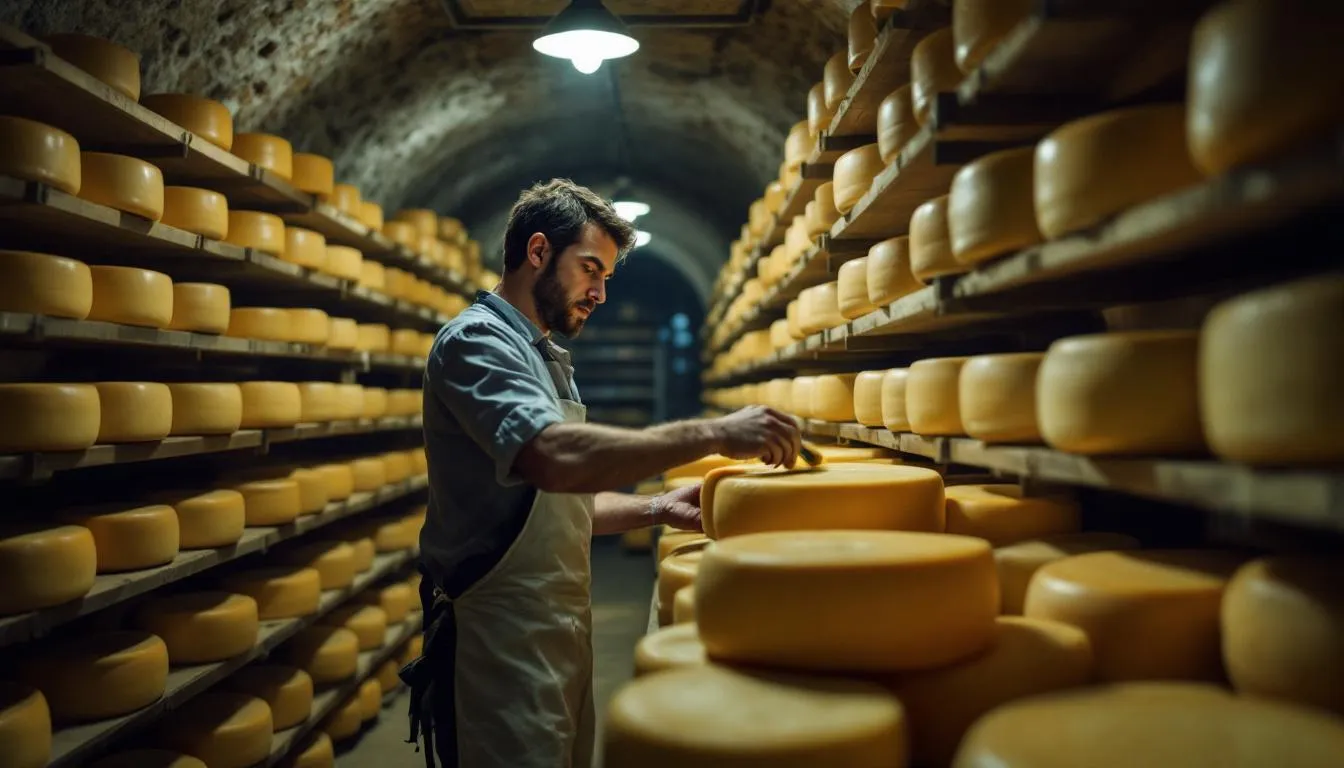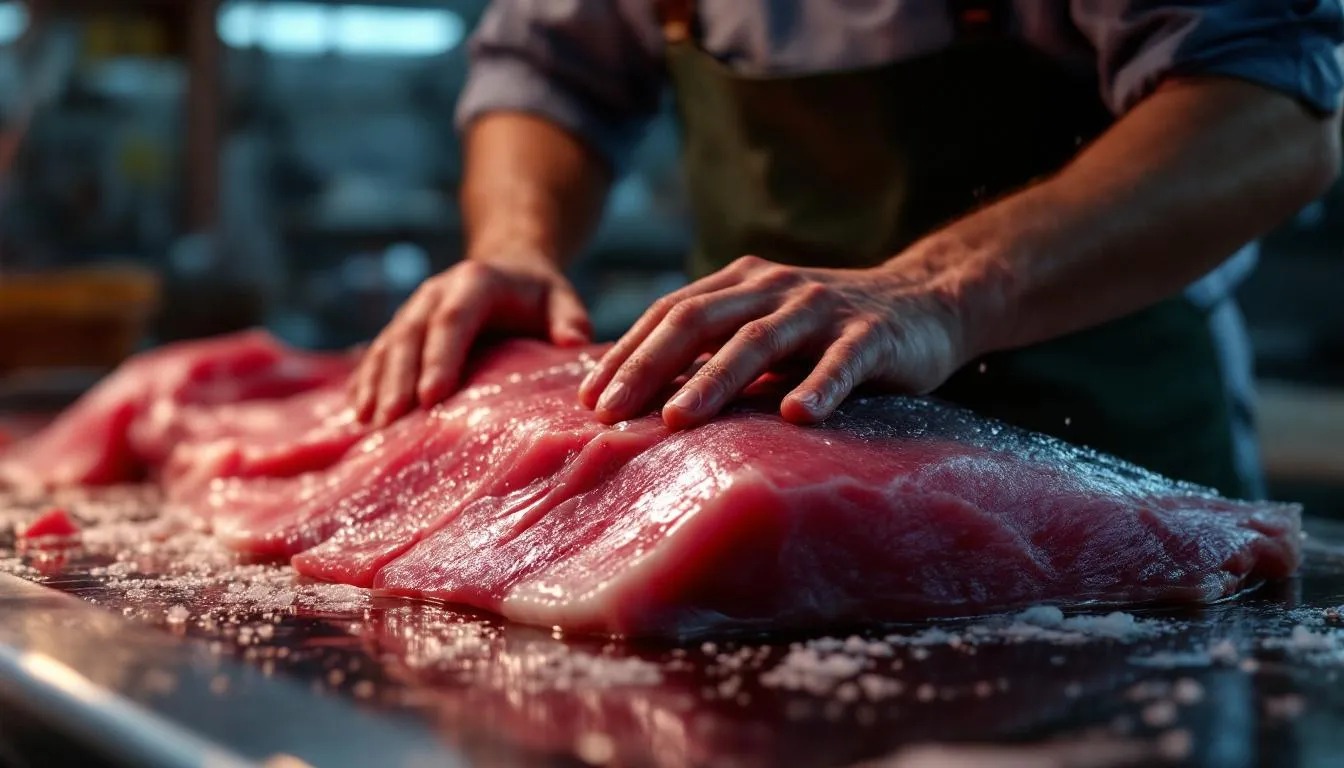
Fish Monger (Specialty — Auction)
You're bidding on fish that cost more than a used car. Japanese fish auctioneers move thousands of dollars in seconds, reading species quality by touch and eye alone. It's part poker game, part market trading, all real stakes.
Auction fish mongering happens in the dark and cold before sunrise. You show up at 4 or 5 a.m. to the auction house, walk the stalls with a trained eye, and bid on specific lots of fish coming off the boats. The work is fast. Prices move in seconds. You need to know the difference between two types of tuna by looking at the meat, understand what restaurants and sushi shops will pay, and have the cash or credit lined up to actually buy. Most of your day is spent breaking down your purchases, managing inventory, negotiating with buyers, and setting prices to move product. It's cold, wet, and high-pressure. You work with other dealers, wholesalers, and restaurant buyers who know the game inside out. Respect is earned by knowing your fish and making smart trades.
Your shift starts before dawn. You arrive at the auction house or fish market and walk the stalls, inspecting lots of fresh fish that arrived overnight from fishing boats. You're looking at color, firmness, eye clarity, and gill condition to judge freshness and quality. You handle each fish, talk to other dealers about what they're seeing, and decide which lots are worth bidding on. When the auction starts, the pace is brutal. Auctioneers call lots, prices move in seconds, and you're making split-second bids based on what you think you can sell it for later. You win bids, lose bids, and manage your cash and credit carefully. After the auction, you oversee the processing and packing of your fish. This means delegating to cutters, checking their work, and ensuring everything is iced and ready to sell. Throughout the day, you're on the phone or in person with restaurant chefs, other fish dealers, and sushi shops, negotiating prices and moving inventory. You track what sold, what didn't, and why. You study market trends, learn which species are scarce, and adjust your bidding strategy. The work involves physical handling of fish, standing in cold wet conditions for hours, and the mental load of making trades worth thousands of dollars on instinct and market knowledge.
You need ice in your veins during the auction. Successful mongers don't panic when prices spike or freeze up when they're underwater on a bid. You also need pattern recognition and instinct. You read the room, sense what competitors are thinking, and know when to push and when to walk away. Hustle matters. You're on your feet, making calls, negotiating, and moving fast all day. You respect the fish and the craft of knowing species, but you're not sentimental about it. You're playing the game to win. Finally, you need to be comfortable with financial risk. You're betting your own money or borrowed money on fish that spoil. That requires either confidence or ruthlessness, or both.
There is no degree or formal certification for this job, but you need real training and connections. Most successful auction fish mongers start by working the floor of a fish market or processing plant for a year or two. You learn how to grade fish, understand species, and get comfortable around the auction environment. Some start as runners or assistants to established dealers, learning the bidding game and market dynamics before they ever bid themselves. If you're near a major fish market like Tsukiji in Tokyo, New Market in Boston, or Pier 40 in San Francisco, you can approach dealers directly and ask for work. You'll start at the bottom, doing manual work and watching. After 1-2 years of floor time and relationship building, you can start bidding on small lots yourself with your own capital or borrowed money. Having startup cash matters. Most people need $5,000 to $20,000 to start bidding seriously. If you don't have it, you can work as a buyer's agent for established dealers first, taking a cut of their profits. The real requirement is learning to read fish, understanding market prices, having nerves to bid under pressure, and building trust with suppliers and buyers. No school teaches this. It's apprenticeship and survival.
This job is brutal on your body and your sleep schedule. You're waking up at 3 a.m. most days, working in freezing cold wet conditions, and handling heavy boxes. Your hands hurt. Your back hurts. You're wet and cold for hours. After 10-15 years, your knees and shoulders feel it. The financial stress is real and often invisible. You're using your own capital or credit to buy fish that you need to sell quickly or they rot. Bad weeks or seasonal slumps can wipe out your cushion fast. One bad call on a expensive lot can cost you thousands. You're essentially running a small business with no salary, no benefits, and no safety net. Health insurance, retirement, paid time off? You fund all of it yourself. Relationships with suppliers and buyers are everything, and if you cross the wrong person or get a reputation for bad bids, opportunities dry up. It's a tight community and word travels fast.