Whiskey Blender
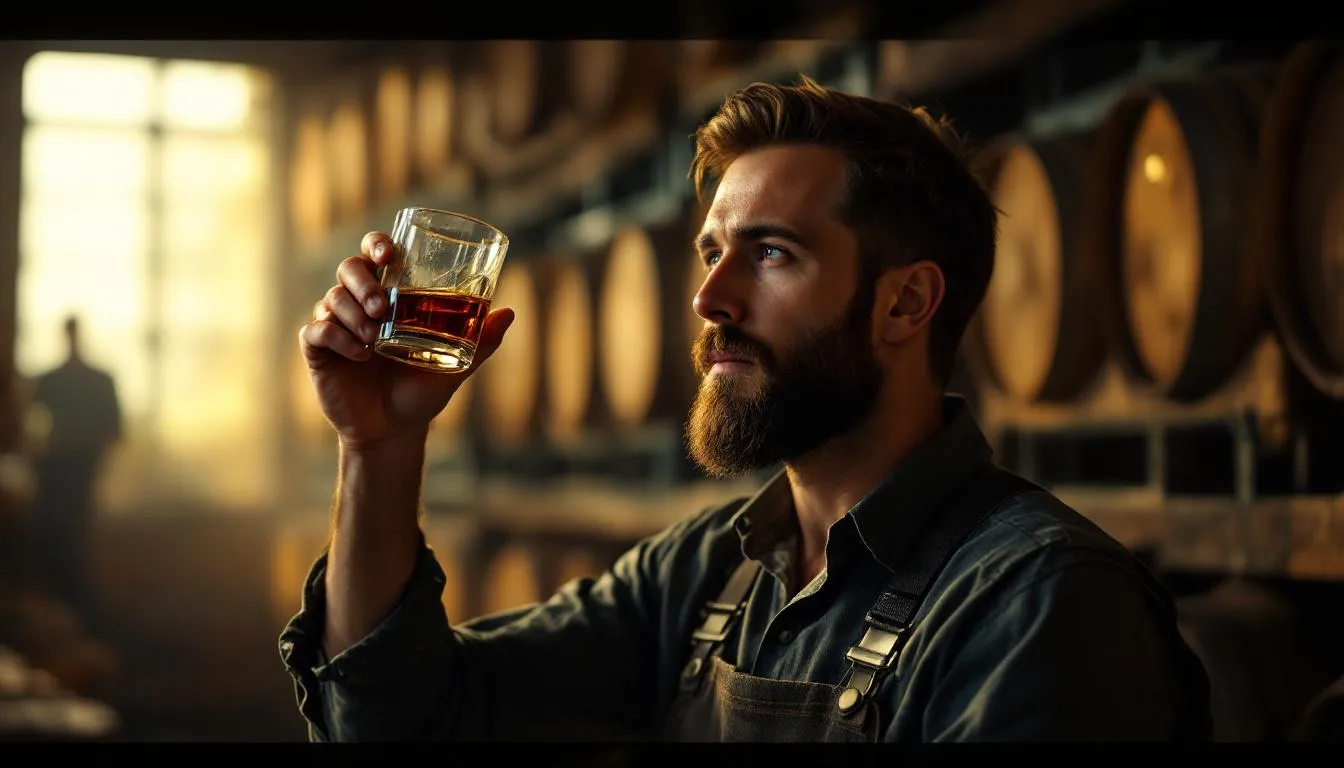
You're tasting whiskey for a living, and your decisions determine what thousands of people drink. There's no degree for this. No standardized test. Just palate memory, sensory precision, and the ability to taste what others can't. Blenders spend their days in barrel rooms and lab settings, moving between casks and samples, training their palate to detect oak tannins, vanilla notes, char, and alcohol heat with the accuracy most people reserve for music. It's one of the few jobs where your mouth is your credential.
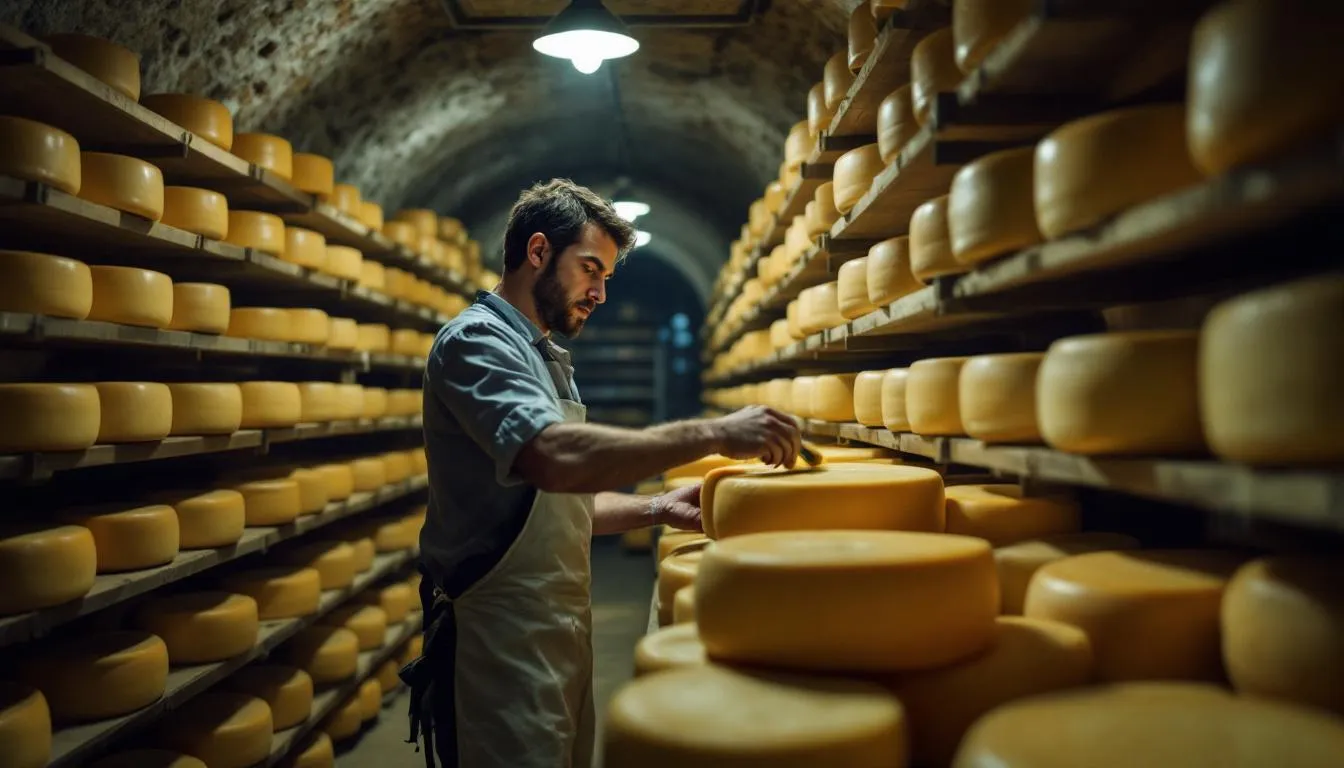
Whiskey blending is sensory work, not physical work. You spend most of your time in climate-controlled warehouses or lab spaces, moving between barrels and tasting samples. Your job is to evaluate cask after cask, remember what you tasted three hours ago, and decide how to combine batches so the house flavor stays consistent year to year or evolves in a planned direction. The work is methodical. You'll keep detailed notes, compare samples side by side, and sometimes revisit the same blend dozens of times before it's right. You work with master blenders, lab technicians, and production teams. The pace is deliberate. This isn't fast-moving or high-pressure in the traditional sense, but the responsibility is real: one bad blend can affect an entire release.
Your day starts with palate preparation. You rinse your mouth, maybe drink water or eat a neutral food, and clear your senses before tasting anything. Then you move through samples, often starting with younger casks and moving toward older ones. You're assessing color, smell, taste, and mouthfeel, noting everything. Some days you're creating a new blend from scratch, pulling different casks and mixing small samples until you find the right balance. Other days you're quality-checking existing batches, confirming they still hit the target profile. You might taste 20, 30, or 40 samples in a session. You compare your notes with colleagues, discuss why a cask didn't work, and experiment with small adjustments. Some blenders get into the chemistry side: understanding how alcohol content, wood type, and aging time affect flavor. Others specialize in sensory training, teaching newer palates how to taste consistently. You're always documenting everything. Your notes become part of production history and help replicate successful blends.
You need a memory for detail and the patience to taste the same sample five times without getting bored. You're methodical, not impulsive. You describe what you taste accurately, which means you have to listen to feedback without ego. People who thrive here are curious about how small changes affect flavor, enjoy working with their senses, and respect the craft enough to never rush a blend. Stubbornness in pursuit of the right flavor is good. Stubbornness about your first instinct being right is not.
There is no standard degree path into blending. The industry typically requires 3 to 5 years of whiskey production experience first, which means starting in entry-level warehouse or production roles. You'll move barrels, assist in distilling, help with bottling, and gradually get exposure to the sensory side. Once you show aptitude for taste memory and attention to detail, you move into sensory training programs offered by distilleries. Many distilleries run internal palate development courses that teach you the language of tasting and train your nose and mouth to recognize specific flavor compounds. Some blenders start as lab technicians, which gives you closer exposure to testing and sensory evaluation. A few distilleries partner with sensory science programs at universities, but again, you need distillery work experience first. The key is getting into a distillery in any capacity, performing well, and showing that your palate is trainable. Scotch whisky distilleries in Scotland often apprentice blenders; bourbon distilleries in Kentucky do the same. Once you're in a program, expect 1 to 3 years of formal palate training before you're blending independently. Organizations like the Institute of Brewing and Distilling offer certification in sensory analysis and distilling, which helps but isn't mandatory.
Your palate is your instrument, and it can get tired. Tasting 40 samples in one session is draining. Over time, some blenders experience palate fatigue, where their ability to detect subtle differences degrades. You have to respect your limits and take breaks. Some distilleries are strict about this; others are not. Your career is also dependent on a sense that can change. Aging, illness, medications, smoking, heavy drinking off the job, even your diet can affect your palate. There's real anxiety in that. The work is also slow by design. You might spend weeks perfecting a single batch. If you need constant stimulation or rapid feedback, this job will bore you. And the industry is small. A reputation takes years to build and seconds to damage. If you miss a batch or approve something that doesn't meet standards, word gets around. The job security is solid if you're good, but competition for senior positions is fierce.