Expedition / Vessel Cook
You're cooking in a tent at 19,000 feet or on a research vessel in Antarctic waters. The work is physically brutal and isolation is real, but you're feeding people doing things most will never attempt. Equipment fails. Supplies run short. You figure it out, and your food keeps the team moving.
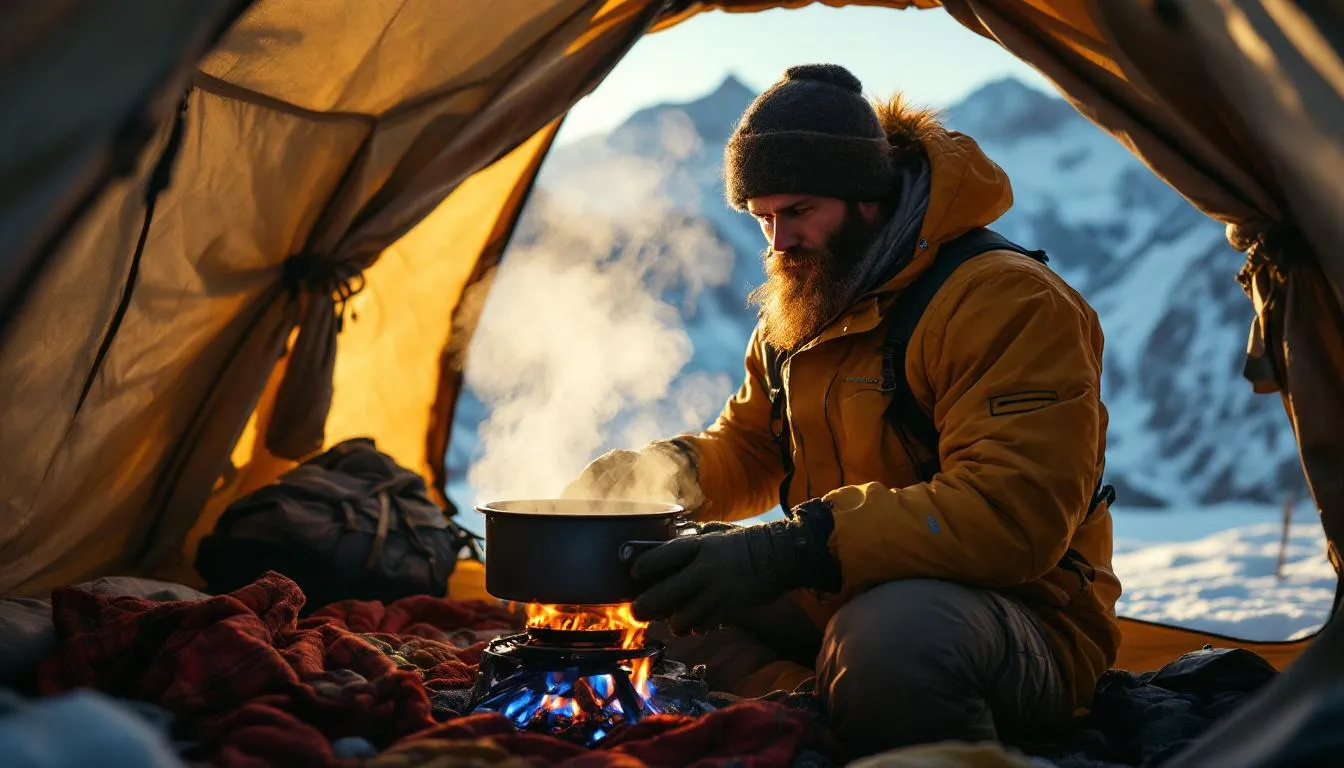
Expedition cooking happens in conditions most kitchens never face. You might be in a high-altitude camp where water boils at a lower temperature and your stove runs on fuel that freezes. On a research vessel, you're cooking for 20-50 people in a galley that pitches with the ocean, with no resupply for weeks. The work is repetitive and relentless: you're planning, prepping, cooking, and managing supply logistics while everyone else is focused on their specialty. The pace depends on the expedition. During active climbing or research days, you cook breakfast before dawn, pack lunches, and have dinner ready when people return exhausted. During weather delays or travel days, you might have more breathing room, but you're always thinking ahead about what you have versus what you'll need in two weeks. You work alone or with one assistant. Leadership matters even though it's a small team. People in extreme environments are stressed, cold, and hungry. Good food becomes psychological fuel. You also manage supply inventory, handle equipment repair, and sometimes manage waste in pristine environments where leaving nothing behind is a core principle. This is not a job where you can clock out mentally.
Your day starts before anyone else wakes up. You're checking fuel supplies, assessing what's available to work with, and planning meals that balance nutrition, morale, and what can actually cook at this altitude or in these conditions. High-altitude cooking means adjusting recipes because water boils at lower temperatures, so timing and technique change completely. You're prepping ingredients in tight, cold spaces, often by headlamp or with limited counter room. Most of your cooking happens on camp stoves, commercial expeditionary equipment, or ship galleys. You're making breakfast for 30 people that sticks with them through a long day of physical work. Lunch is usually packed the night before: calorie-dense sandwiches, energy bars, fruit, and hot drinks in thermoses. Dinner is the social meal. You're cooking hot food that tastes good despite limitations, because morale directly affects team function and safety. Beyond cooking, you're managing inventory constantly. What do we have? What spoils first? What do we need to ration? On a vessel, you're working with what the supply ship brought three months ago. On a mountaineering expedition, resupply might be via helicopter at specific windows, so your planning horizon is weeks or months. You're also troubleshooting equipment failures, maintaining cleanliness in an environment where contamination is a real risk, and sometimes managing waste in remote places where you can't just throw things away. You're hauling water, dealing with fuel systems, and keeping morale up through repetition and good food.
You need to be someone who actually functions well alone and doesn't need constant social stimulation. Paradoxically, you also need genuine interest in people, because you're responsible for group morale in high-stress situations. You're detail-oriented about inventory and logistics, not just cooking. You solve problems without waiting for permission, and you're not bothered by equipment failing in your hands. You're okay with repetition and routine as your baseline, but flexible enough to completely improvise when conditions change. You're not doing this for adventure or to find yourself. You're doing it because the work is real, the stakes matter, and you're good at being the person others depend on.
There's no single path, but professional cooking experience is the baseline. Most expedition cooks come from restaurant, catering, or institutional cooking backgrounds where they learned to work fast, manage inventory, and cook for volume. You need to demonstrate you can stay calm under pressure and think through logistics. After that, break in through expedition companies. Organizations like Mountain Professionals, Adventure Life, and major research institutions (polar research programs, oceanographic vessels) hire cooks for specific expeditions. Many require a 2-3 week trial expedition first to see how you handle isolation and extreme conditions. Some companies prefer you to start with shorter, easier expeditions (mountaineering treks at moderate altitude) before moving to harder ones (Denali, high Himalaya, Antarctica). National Geographic Expeditions, film production teams, and scientific research programs also hire expedition cooks regularly. Safety certifications matter. Wilderness First Aid or Wilderness First Responder is expected. Some expeditions require Cold Water Survival certification or Sea Survival depending on location. These are 2-5 day courses. Food safety certification is standard. For vessel cooking, many employers ask for a basic maritime safety course (1-2 days). The real qualification is your cooking credentials and your references from previous expeditions. Build this by starting with smaller, more accessible expeditions and working up to the harder ones. Most full-time expedition cooks piece together 4-6 expeditions per year, with downtime between.
The isolation is harder than you expect, even if you like being alone. You're with the same 15-40 people for 3-4 weeks with no escape, no day off, no outside communication in many locations. You're working 12-14 hour days with very few breaks. The physical toll is real: you're on your feet constantly, often in cold, and your body gets worn down. Your hands suffer. Your back suffers. Frostbite and minor injuries are occupational hazards. You're responsible for group health in a way that's stressful. If someone gets food poisoning or malnutrition becomes an issue, that's on you and it affects the whole expedition. The work is also genuinely dangerous in some contexts. On a vessel, rough seas can throw you or equipment around your galley. In high altitude, you're subject to the same risks as the team, including altitude sickness and exposure. In remote locations, emergency evacuation is slow and expensive, so prevention and self-reliance matter more than anywhere else you've worked. The pay also has gaps. If an expedition is cancelled for weather or logistics, you lose that income. If you can't land enough expeditions, you're scrambling for side work. The lifestyle is not sustainable long-term for most people. Most expedition cooks do this for 5-10 years, then move to shore-based work or a regular kitchen.