Crane Operator (Specialty)
You're sitting 200 feet in the air controlling a load worth more than your house while a crew below depends entirely on your hands. Crane operators on major projects make $70,000-120,000 a year. The skill ceiling is real, and so is the respect.
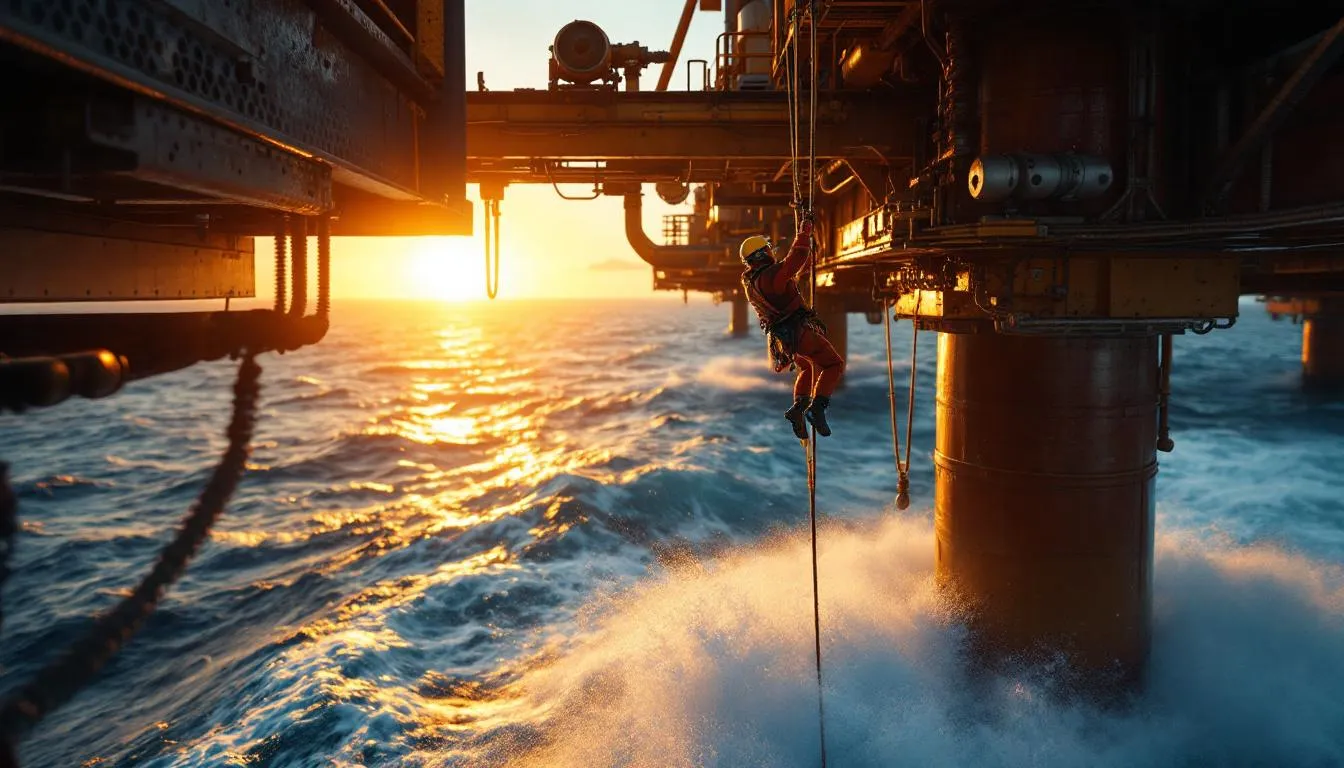
Specialty crane work happens on active construction sites, demolition projects, salvage operations, and sometimes offshore platforms. You are in a cab or on a portable control station, managing loads that weigh hundreds of tons. The work is seasonal in many regions, which means feast or famine for your paycheck. You work with ironworkers, riggers, and ground crew who rely on your precision, sometimes in loud, chaotic environments where communication happens over radio or hand signals. Weather, site conditions, and load complexity change the difficulty from day to day. Unlike standard tower crane operators, specialty crane work often means travel. You chase the big projects, which can mean weeks away from home or constant site changes. The pressure is constant because mistakes are catastrophic, expensive, and someone could die. That's not a scare tactic. It's the job.
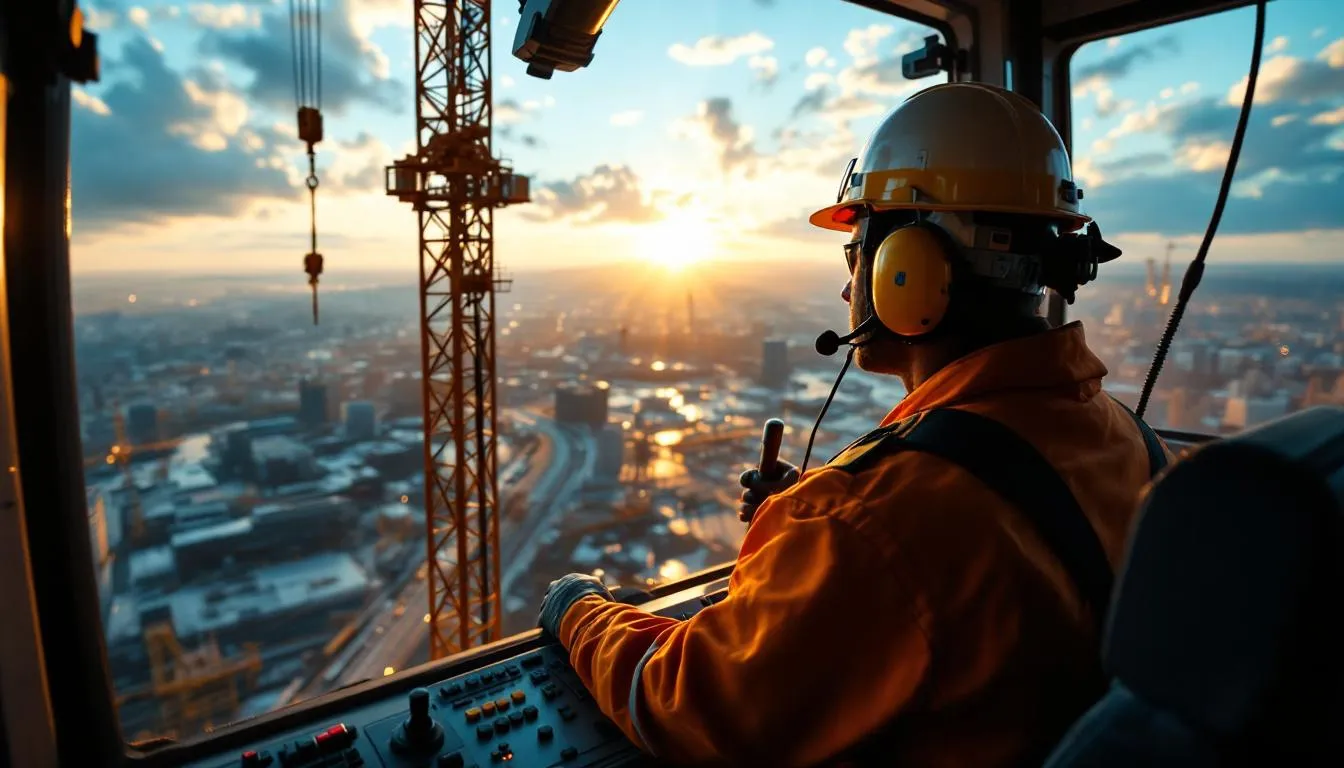
Most of your time is spent in the operator's cab, positioning your hook with precision while watching load angles, boom angles, and ground markers. You communicate with a signal person or rigger via radio, interpreting hand signals, or reading laser measurements to place loads within inches of their target. You perform pre-shift equipment inspections, checking cables, hydraulics, brakes, and structural integrity before you touch the controls. Setup and positioning takes time, and you are responsible for understanding load charts, weather limitations, and site-specific conditions before the lift even starts. You're also managing the machine itself. Crane operation involves constant micro-adjustments, boom articulation, counterweight positioning, and sometimes working with outriggers on unstable ground. On complex lifts, you might spend hours positioning a single load. On demolition jobs, you operate underwater or in confined spaces where visibility is poor and communication delays are normal. Some specialty operators work with floating cranes on barges or vessels, which adds water movement and tidal considerations to every calculation.
You need mechanical thinking and spatial reasoning, period. You have to visualize how a load moves in three dimensions and know the machine's limits instinctively. Success also requires obsessive attention to detail, not because you're a perfectionist but because you know one mistake costs lives and millions of dollars. Crane operators who last are calm under pressure, communicate clearly over radio even when frustrated, and respect the people below them enough to slow down if something feels wrong.
Start by getting your Commercial Driver's License and a Crane and Hoist certificate from a recognized program like NCCCO (National Commission for the Certification of Operators). Some community colleges and trade schools offer crane operator programs lasting 4-12 weeks. The certification costs $500-2,000 and requires classroom work plus hands-on testing. However, most specialty crane companies will hire you as an entry-level equipment operator or assistant crane operator first, then train you on their specific machines while you work toward full certification. Many large construction firms have apprenticeship programs that pair classroom time with paid on-the-job training. Union apprenticeships (IUOE, for example) take 3-4 years but provide steady work and scale rapidly. Expect to start at $18-25/hr as a trainee, moving to $40-50/hr once certified. The climb from certified to specialty operator takes 3-5 years of hands-on experience on different machine types and load scenarios.
Crane work is dangerous. You are responsible for a machine that can kill people if you make a mistake. The liability weight is real, and some operators develop anxiety around major lifts. Insurance companies care about your record, and one accident can end your career in that region. The work is also seasonal and project-based in most markets. You might work 50 hours a week for six months, then have nothing for three months. Some operators follow work across states or even countries, which means time away from family and burning through savings on hotel rooms between jobs. The operator's cab is uncomfortable, especially in summer heat or winter cold. You sit for 8-10 hours with minimal breaks. Your neck, back, and shoulders take a beating. And because you are responsible for expensive equipment and human safety, the stress never fully leaves.