Chimney Sweep
You're working inside 300-year-old brick chimneys, finding creosote buildup and bird nests, and knowing exactly what you're doing while most homeowners have no clue. This is a job where you own the skill, control the price, and stay booked year-round. It's also one of the few trades where you can own your own operation with nothing but a truck, a brush, and some rods.
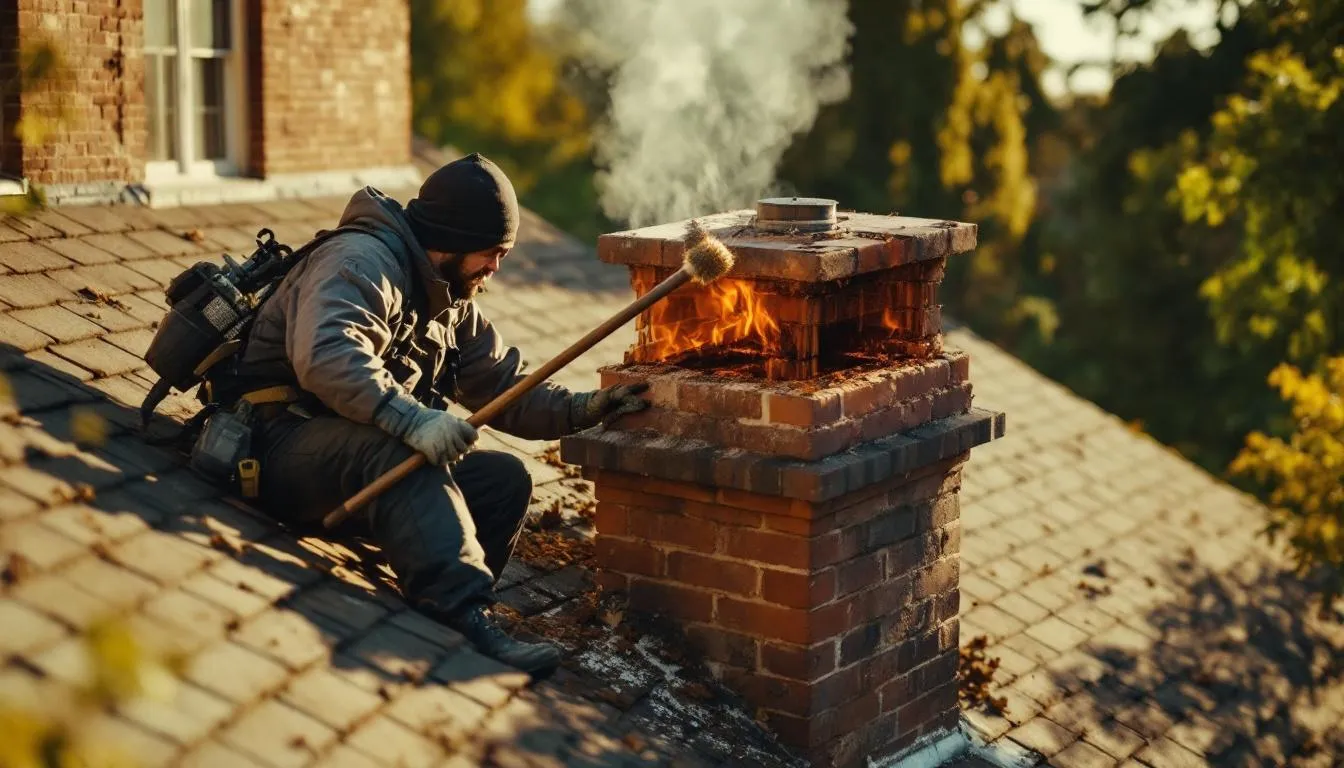
You show up at houses, mostly residential but sometimes commercial buildings or cottages. You're going down into flues that haven't been touched in years, assessing creosote buildup, checking for structural damage, blockages, and safety issues. The work is physical and dirty. You'll spend time on roofs, in crawl spaces, and inside fireplace cavities. Most days you're alone or with one other person. The pace depends on how many jobs you can book, but the work itself is focused and methodical. You're the expert in the room, and homeowners listen because they know you're the only one who understands what's happening inside their chimney.
A typical day starts with arriving at a residential property and setting up. You cover floors and furniture, then head to the fireplace. You'll inspect the opening, the firebox, and the flue. Using rods and brushes of various sizes, you push up into the chimney from below or sometimes from the roof above, breaking up creosote and debris buildup. As you work, you're feeling for obstructions, assessing brick condition, and spotting potential problems like missing mortar, cracks, or animal nests. You use a flashlight and mirror system to see what you can't reach directly. Once the chimney is clean, you'll document your findings, show the homeowner any issues, and provide an estimate for additional work like relining, cap replacement, or brick repair if needed. Some days are just sweeps. Other days involve more detailed inspections, waterproofing, or structural work. You might also install caps or screens, replace damaged bricks, or recommend upgrades. Every chimney is different, so the problem-solving aspect keeps the work varied.
You need to be comfortable in tight, dark spaces and at heights. If claustrophobia bothers you, this job isn't it. You should like problem-solving and diagnostic work. You're not just cleaning; you're inspecting and identifying issues others miss. You need to be reliable and detail-oriented because a missed structural problem can become a liability. People who succeed here enjoy working independently, don't mind physical work, and have the confidence to charge customers fairly for their expertise. You should also be willing to learn business basics if you plan to go independent, because owning your own operation means managing customers, scheduling, and pricing.
This trade is fully accessible without a degree. Start by apprenticing or joining an established sweep operation as a helper or junior sweep. Many independent sweeps will train you on the job. You'll learn the basics of brush sizes, rod systems, inspection techniques, and safety. Within 6 months to a year of full-time work, you'll be competent at routine cleanings. To go faster and command higher rates, pursue formal certification through the Chimney Safety Institute of America (CSIA). The Level 1 certification requires 200 hours of documented experience and passing an exam. It costs around $300 and takes 6-12 months to earn depending on how often you work. Some states require licensing, so check your local requirements. The CSIA certification is respected and signals to customers that you're legitimate. After 1-2 years, many sweeps go independent, working as solo operators or small crews. You'll need basic business insurance, a vehicle, and equipment, but startup costs are low compared to most trades. Some join or form small companies; others work door-to-door year-round as solo operators.
Chimney sweeping is physically demanding and dirty. You'll get creosote and soot on you and your clothes constantly. Protective gear helps, but this isn't a clean job. Your hands take a beating. Some sweeps develop respiratory issues from years of dust and soot exposure, so proper masks and ventilation matter. Weather impacts work heavily. Winter is peak season, so you'll work in cold, sometimes in rain or snow. Summer is slow, and many sweeps see income drop significantly June through August. The other reality: it's seasonal and inconsistent income unless you build a strong repeat customer base and service contracts. A bad winter or economic downturn hits fast. You're also competing with unlicensed operators who undercut prices. Building a reputation and staying CSIA certified helps you charge more and keep customers, but it takes time. Liability is a concern too. If you miss something that causes a fire, you're exposed. Insurance is essential and costs money. Finally, the work is inherently risky. Falls from roofs happen. Confined spaces carry real hazards. You need to respect the danger and work safely every single time.