Arctic Survival Instructor
You're teaching military units, expedition teams, and civilians how to not die in the Arctic. The work happens in actual polar conditions, on glaciers, in whiteout storms, and across frozen ocean. Most instructors have spent years in extreme cold themselves and get hired because they've made it through what kills other people.
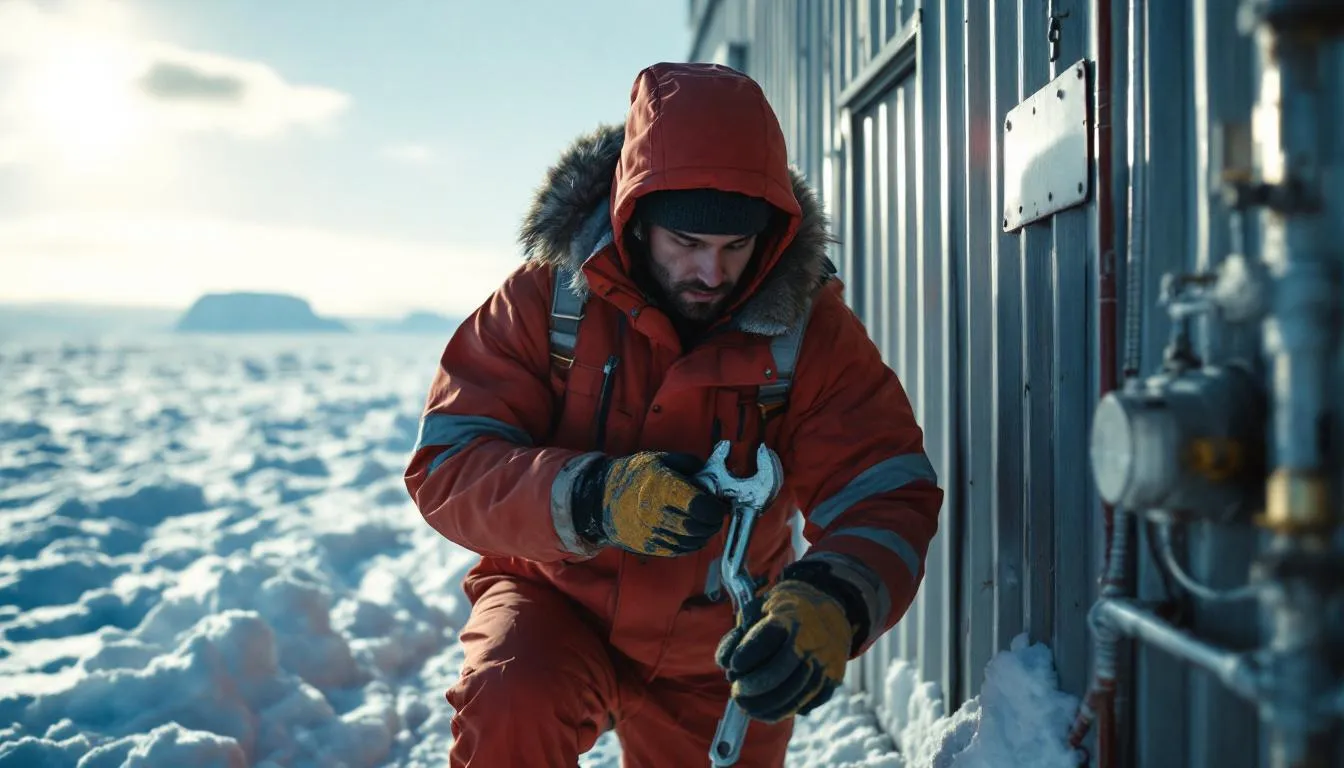
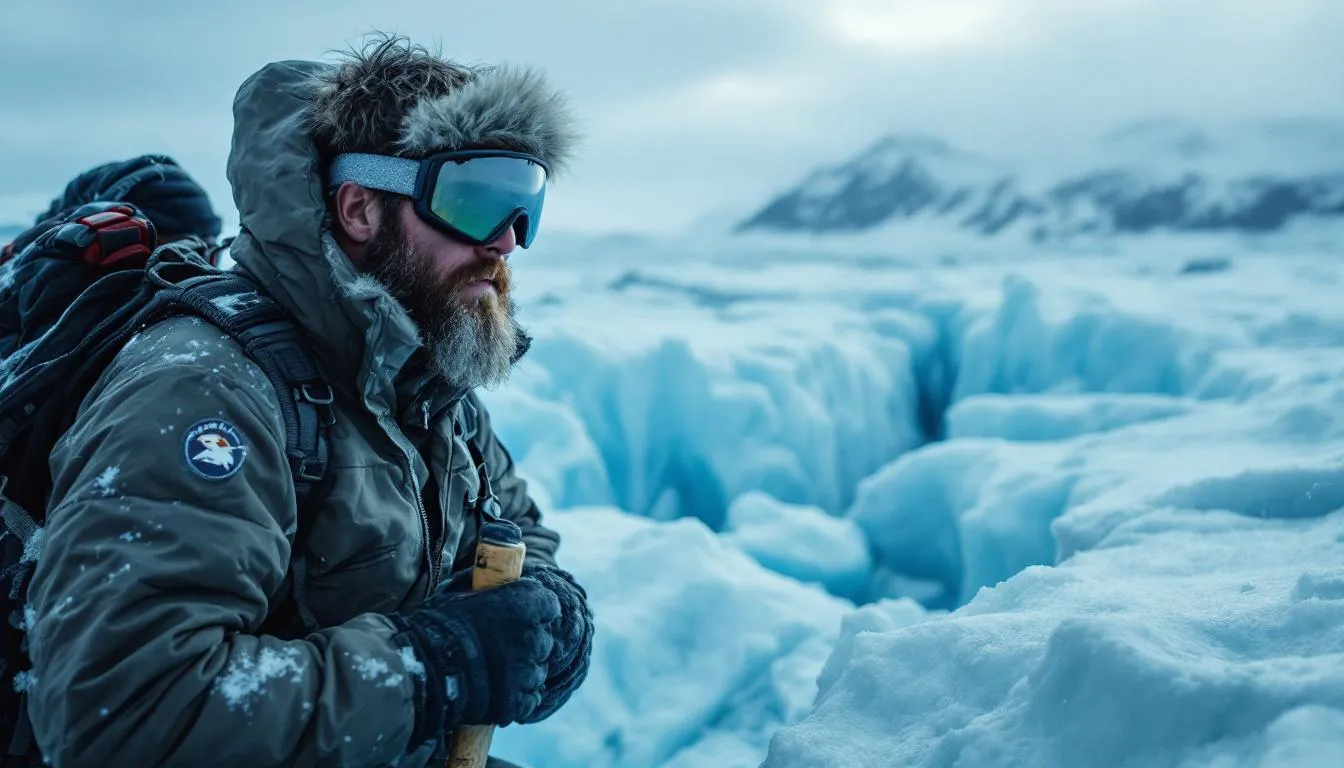
This job is split between the field and the classroom. You spend weeks or months in Arctic environments running exercises with clients who are either highly trained (military special forces, polar explorers) or completely green (tourists, corporate team-building). In the field, you're managing risk in conditions that don't forgive mistakes: -40 degree temperatures, whiteout visibility, unstable ice, hypothermia that sets in fast. Back at base or in a training facility, you're designing curricula, debriefing students, and preparing equipment. The work is seasonal in most places, heaviest October through April. You work with small groups, so leadership and communication matter as much as technical knowledge. The pace shifts from teaching mode to crisis management mode depending on weather and what your students do.
In the field, you demonstrate shelter building from snow and available materials, fire-starting in wet and extreme cold, navigation when GPS fails or visibility drops to zero, recognizing and treating cold injuries, rationing food and water in survival mode, and decision-making under pressure. You lead students through ice travel, crevasse rescue, snowmobile operation, and water survival in near-freezing conditions. You teach them to read weather, understand their own mental state as cold and exhaustion set in, and make choices that keep them breathing. You model behavior constantly because your students learn as much from watching you move and think as from listening to instructions. Back at the facility, you maintain equipment, review incident reports and near-misses, develop training scenarios based on what your students struggled with, and sometimes create documentation or video content for distance learning. You may also scout new training locations, assess ice conditions, or work with logistics teams to plan supply runs.
You need genuine comfort with serious cold and isolation, not just tolerance for it. Success requires deep problem-solving skills when conditions are bad and stakes are real. You have to be patient teaching people who are scared and struggling, but also assertive enough to stop someone from making a decision that gets them killed. Strong instructors are naturally observant, can read how a student is actually doing under stress, and adapt teaching on the fly. You respect your students and don't mock struggle, but you also don't coddle them.
This job requires proven experience in Arctic or high-altitude polar environments, not just training certifications. Most instructors start by spending 1-3 years working as guides, expedition support staff, or researchers in polar regions. Military special forces backgrounds help. Once you have field credibility, you can move into instruction through organizations like the Wilderness Medical Institute, IFMGA (International Federation of Mountain Guide Associations) training programs, or directly with military units and expedition companies that hire based on reputation. Some instructors earn credentials like wilderness first responder or wilderness first aid, but employers hire on field resume first. Building your reputation happens through word-of-mouth in the polar community, published expedition reports, or rescue experience. Timeline: expect 2-4 years of field work before you're ready to instruct, then another 1-2 years breaking into the teaching circuit. You can accelerate this by starting as assistant instructor under an experienced mentor.
The emotional weight is real. You're responsible for people's lives in conditions where things go wrong fast. A student gets severe cold injury, someone panics during an ice crossing, or weather turns worse than forecast. You have to stay sharp and lead anyway. Some instructors develop a kind of hypervigilance that follows them home. The work is also geographically isolating: you spend months in places with minimal contact with people outside your group. Equipment and travel are expensive, and early in your career you often cover some costs yourself. Income is uneven due to seasonal work and contract gaps. And there's a sobering reality: if a student dies on your watch, your career as an instructor may be over regardless of fault. The job demands absolute honesty with yourself about your own limits and your judgment under stress.